The integrity of any pressurized pipeline system is only as strong as its weakest point. In systems utilizing polyvinyl chloride piping, this critical point is almost invariably the joint where two pipe sections meet. Achieving and maintaining a perfect seal at this junction under sustained high pressure is a significant engineering challenge. The question of how the pvc pipe interface seal accomplishes this is fundamental for engineers, installers, and procurement specialists who specify these components. The answer lies not in a single feature, but in a sophisticated interplay of material science, mechanical design, and precise installation practices.
The Fundamental Role of the PVC Pipe Interface Seal
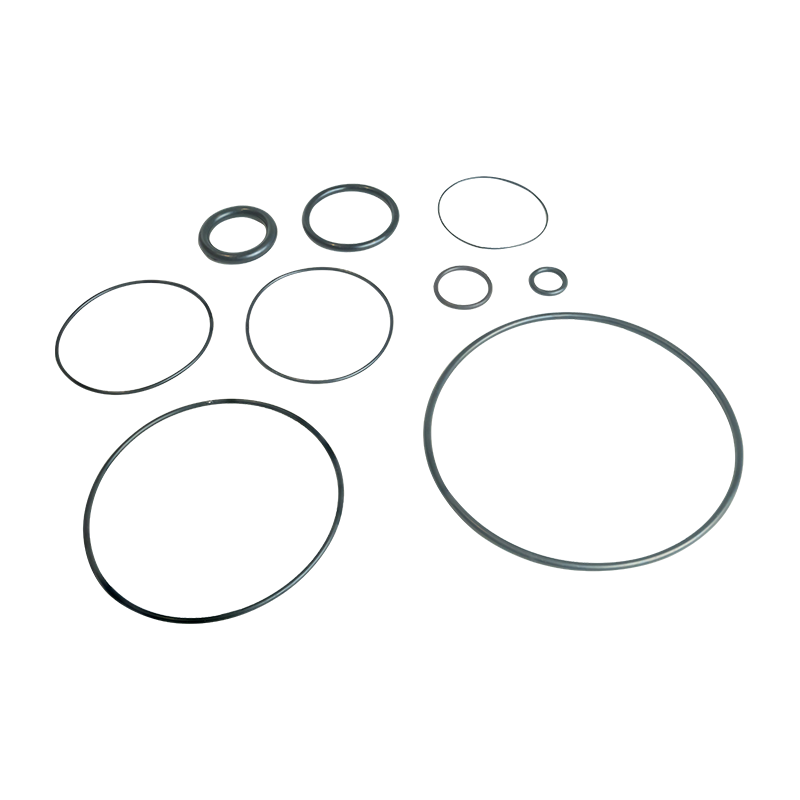
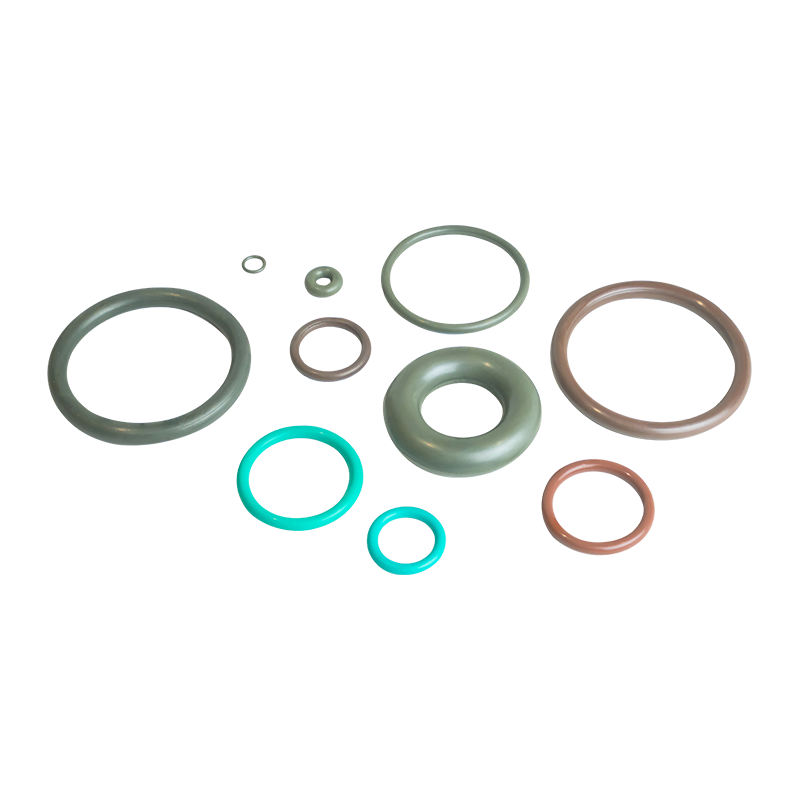
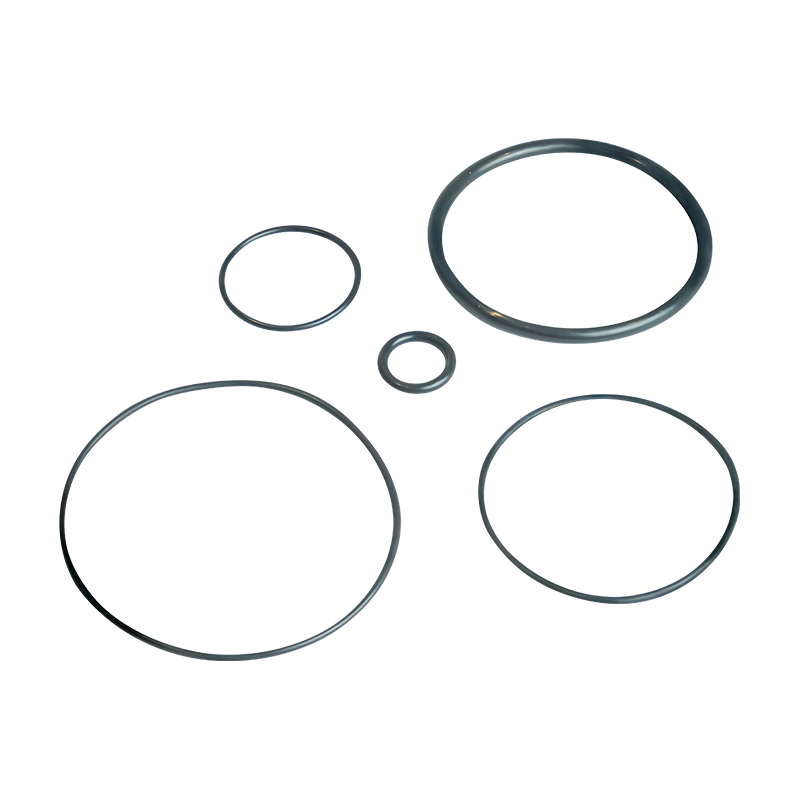
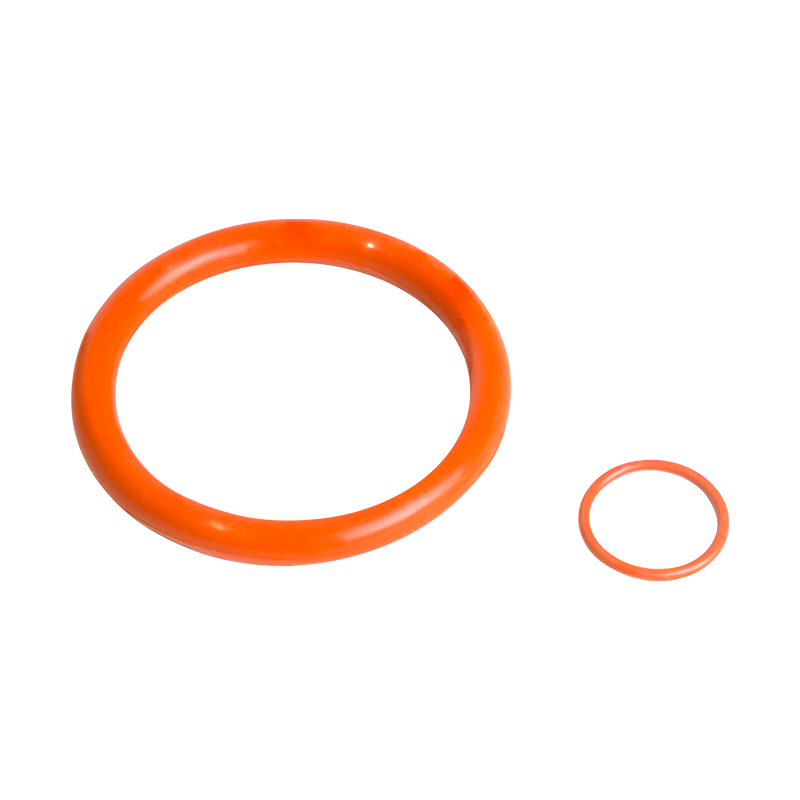
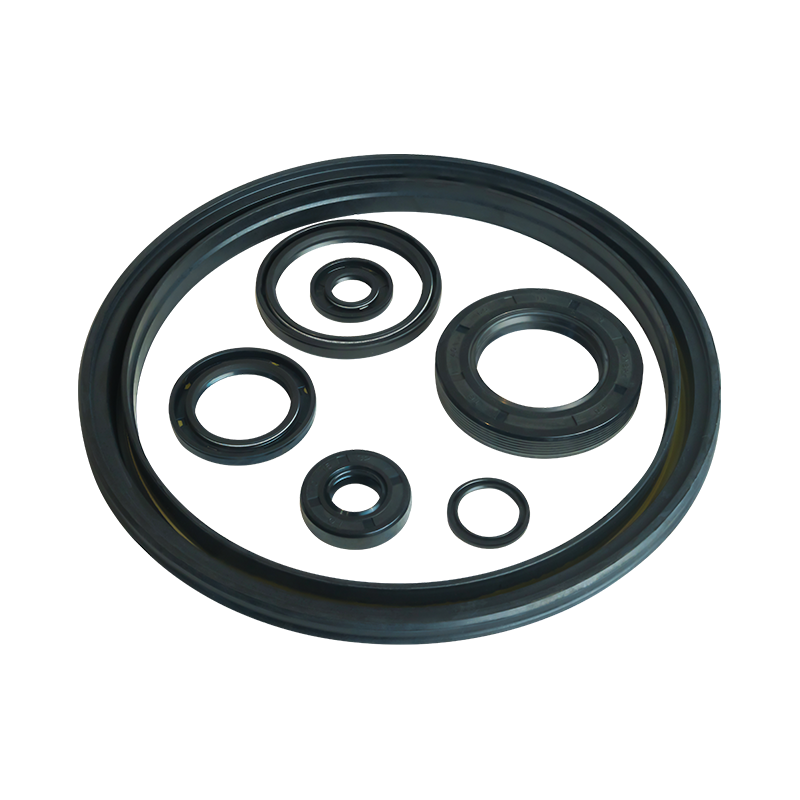
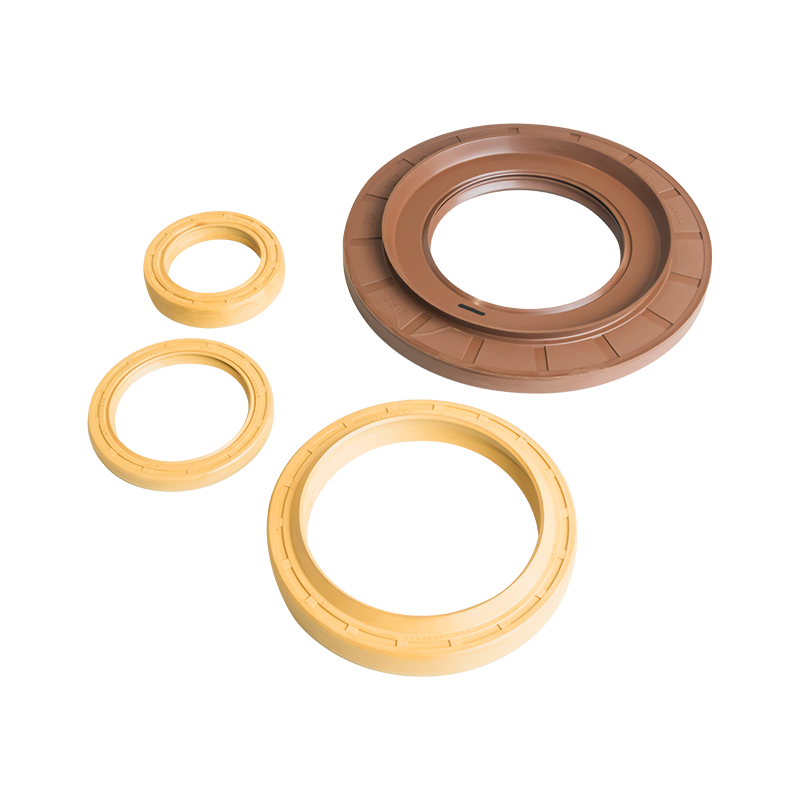
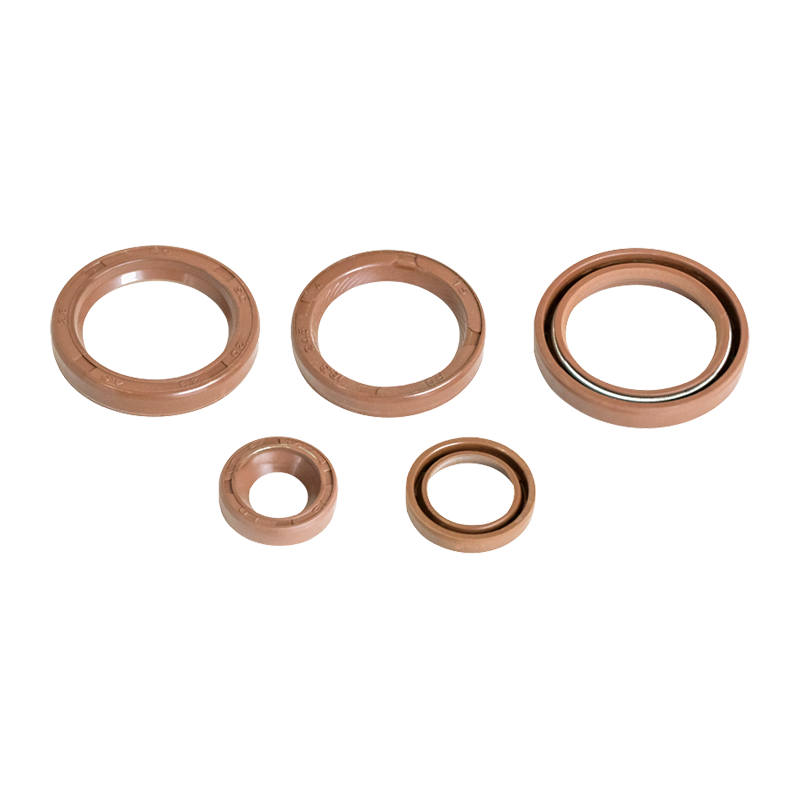
A pvc pipe interface seal is a specialized gasket or ring, typically manufactured from a synthetic elastomer, that is seated within a groove of a pvc pipe fitting or a pvc pipe bell end. Its primary function is to create a static, impermeable barrier between the spigot (plain end) of one pipe and the bell (socket) end of another. Under pressure, this seal must perform multiple duties simultaneously: it must prevent the escape of the conveyed fluid, block the ingress of external contaminants such as soil or groundwater, and accommodate minor movements within the pipeline without compromising its primary sealing function. The effectiveness of this gasket seal is the cornerstone of a leak-proof system, directly impacting operational costs, environmental safety, and regulatory compliance. Failure at this interface can lead to costly repairs, system shutdowns, and potential environmental hazards.
Material Composition: The Foundation of Sealing Performance
The selection of raw materials is the first and most critical factor in determining the performance ceiling of a pvc pipe interface seal. Not all elastomers are created equal, and the choice of compound directly influences the seal’s ability to resist pressure, temperature, and chemical attack.
The most common material for high-pressure applications is a synthetic rubber known as EPDM (Ethylene Propylene Diene Monomer). EPDM is prized for its exceptional weather resistance and outstanding resistance to heat, oxidation, and ozone exposure. This makes it ideal for applications where the pipeline may be exposed to sunlight or wide temperature swings, either above ground or in shallow burial scenarios. Its flexibility remains stable over a wide temperature range, ensuring the seal does not become brittle in cold climates or overly soft in hot conditions.
Another prevalent material is Nitrile Rubber (NBR or Buna-N). This compound is renowned for its superior resistance to petroleum-based oils, fuels, and other hydrocarbons. In industrial settings where the pipeline may carry solvents or where the external environment could involve contamination with oils, a nitrile gasket is often the specified choice. Its abrasion resistance is also generally high, which can be beneficial during the installation process.
The compound formulation is a precise science. Additives are incorporated into the base polymer to enhance specific properties. These can include plasticizers to maintain flexibility, carbon black to improve tensile strength and UV resistance, and vulcanizing agents to set the final shape and properties during the manufacturing process. The specific compound formula is a closely guarded secret among manufacturers, designed to achieve the perfect balance between elasticity, memory, and structural integrity for the intended pressure class and service environment. The goal is to create a material that behaves like a highly viscous fluid, able to flow into microscopic imperfections on the pipe surface to create a perfect barrier, yet remain solid enough not to be extruded into the pipe gap under extreme pressure.
Mechanical Design and Geometry: Engineering the Seal
While the material provides the raw potential, it is the physical design of the pvc pipe interface seal that harnesses this potential to create a functional, high-pressure barrier. The geometry is not arbitrary; every curve, lip, and void is engineered to serve a specific purpose.
The most effective design for high-pressure applications is the lip seal profile, often incorporating multiple sealing points. A common and highly reliable design is the dual-durometer seal. This design features a hard, rigid plastic core that provides structural stability and prevents roll or twist during installation. Bonded to this core is a softer, more pliable elastomeric lip that makes the actual sealing contact with the pipe surface. This combination ensures the seal maintains its position and geometry while the soft lip conforms to the pipe.
The sealing action itself is multi-stage. The initial installation creates a slight interference fit, generating a pre-load or initial sealing force. This initial contact stress is sufficient to handle low pressures or contain the system when it is static. However, the true genius of the design is revealed as system pressure increases. The internal pressure of the fluid acts upon the sealed interface, but it is strategically channeled by the seal’s geometry. In a well-designed lip seal, the pressure forces the sealing lip tighter against the spigot wall. This phenomenon is known as pressure activation. The higher the internal pressure becomes, the greater the sealing force exerted by the lip, creating a self-energizing effect. This positive feedback loop is the key to handling high and fluctuating pressures without leakage.
Furthermore, the groove that houses the pvc pipe interface seal is engineered with equal precision. The groove depth and width are calculated to allow the seal to compress and deform predictably upon joint assembly. It must provide enough space for the seal to move and energize without being over-compressed, which can lead to premature aging and stress relaxation, or under-compressed, which fails to generate sufficient initial contact stress. The back of the groove acts as a solid wall, preventing the seal from being pushed out of its seat under pressure.
Table: Key Design Features of a High-Pressure PVC Interface Seal
| Design Feature |
Function |
Benefit for High Pressure |
| Lip Profile |
Creates a localized, high-pressure contact line with the pipe. |
Focuses sealing force; allows for pressure activation. |
| Dual-Durometer Construction |
Combines a rigid core with a soft sealing lip. |
Prevents roll-over and extrusion; ensures consistent lip contact. |
| Precise Cross-Section |
Defines how the seal will compress and deform within its groove. |
Generates optimal initial contact stress and allows for controlled deformation. |
| Pressure-Activated Geometry |
Uses system pressure to increase lip sealing force. |
Creates a self-energizing seal that performs better as pressure increases. |
The Criticality of Proper Installation
Even the most perfectly engineered and manufactured pvc pipe interface seal will fail if the installation is incorrect. The installation process is where theoretical performance meets practical reality, and several best practices are non-negotiable for achieving a leak-proof joint under high pressure.
The first step is a thorough inspection. Both the spigot end of the pipe and the bell end of the fitting must be inspected for damage. Any cracks, deep scratches, or gouges on the spigot can provide a path for leakage under the seal. Similarly, the groove within the bell must be clean and free of debris, damage, or any residual material from manufacturing. The pvc pipe interface seal itself must be inspected for signs of damage, perishing, or deformation before it is ever placed in the groove. It should be seated evenly and completely within its groove, ensuring it is not twisted, stretched, or kinked.
Lubrication is arguably the most critical step in the assembly process. A proper non-petroleum-based lubricant must be used abundantly on the spigot end and on the seal itself. This lubricant serves several vital functions: it reduces friction during assembly to prevent damage to the seal or pipe, it ensures the seal is not rolled or displaced from its groove as the spigot is inserted, and it helps to equalize the pressure across the seal during the initial insertion. The use of silicone-based lubricants is standard practice. It is crucial to avoid any lubricant that contains petroleum distillates, as these can degrade the PVC material and the elastomeric compound of the seal over time, leading to premature embrittlement and failure.
The actual insertion of the spigot into the bell must be done smoothly and axially, without rocking or bending the pipe. The use of mechanical joint-assembly tools, such as a lever-type puller, is often recommended for larger diameter pipes to ensure a straight, controlled insertion until the spigot is fully bottomed in the bell and a consistent insertion depth is achieved. This ensures the pvc pipe interface seal is compressed in the designed and intended manner, activating its sealing mechanism correctly.
Performance Under Stress: Resistance to Common Failure Modes
A high-quality pvc pipe interface seal is designed to withstand not just constant pressure, but also the dynamic challenges a pipeline system will encounter throughout its service life.
Pressure Surges and Water Hammer: Most systems experience transient pressure waves, known as water hammer, caused by the rapid starting and stopping of pumps or the sudden closing of valves. These surges can create pressure spikes that far exceed the system’s normal operating pressure. A resilient seal, with its pressure-activated design and elastic properties, can absorb these transient spikes without permanent deformation or loss of seal, returning to its original shape once the surge has passed.
Joint Deflection: Pipeline systems are not static. Ground settlement, thermal expansion and contraction, and other external forces can cause pipes to move slightly, creating angular deflection at the joints. A robust elastomeric seal is designed to accommodate a limited degree of this deflection without losing its seal. The flexibility of the material allows the sealed interface to flex slightly, maintaining continuous contact between the seal lip and the pipe surface even when the pipes are not perfectly aligned. This capability is a key advantage of elastomeric sealing systems over rigid, glued joints.
Chemical and Environmental Exposure: The seal must maintain its properties while exposed to the fluid inside the pipe and the environment outside. As discussed in the material section, the compound is formulated for chemical resistance to a wide array of municipal water, wastewater, and industrial fluids. Externally, it must resist attack from soils, microorganisms, and groundwater. This long-term environmental durability ensures the seal does not swell, shrink, crack, or degrade, any of which would compromise the integrity of the joint.
Temperature Fluctuations: All materials expand and contract with temperature changes. The coefficient of thermal expansion for the PVC pipe and the elastomeric seal are different. A well-designed system accounts for this. The seal’s elasticity allows it to maintain contact with the pipe wall as both components expand and contract at different rates during temperature cycles, preventing leaks in systems carrying hot fluids or located in environments with significant seasonal temperature swings.


 English
 русский
 中文简体
中文简体