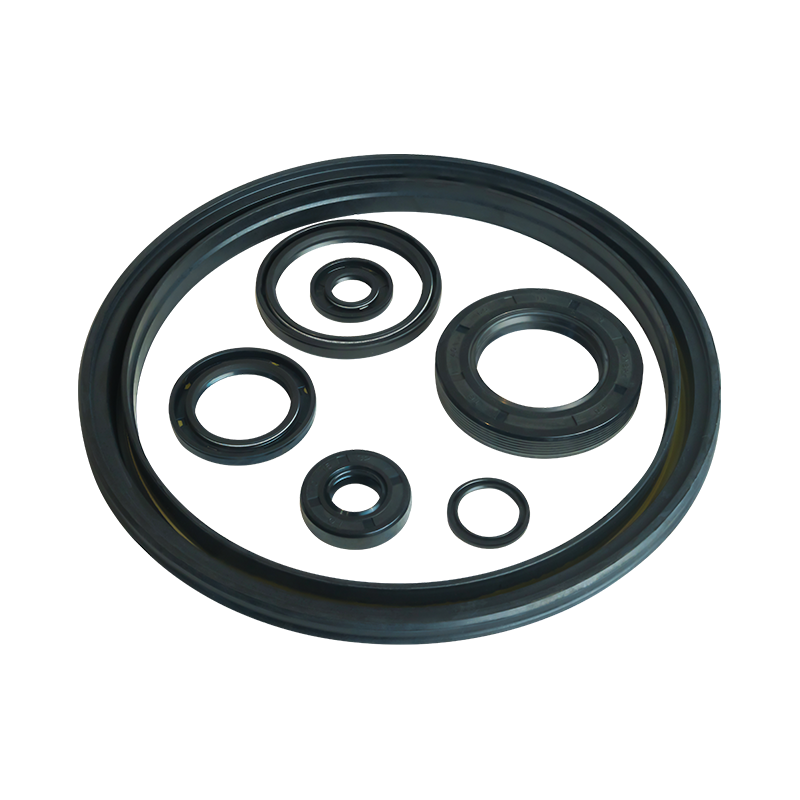
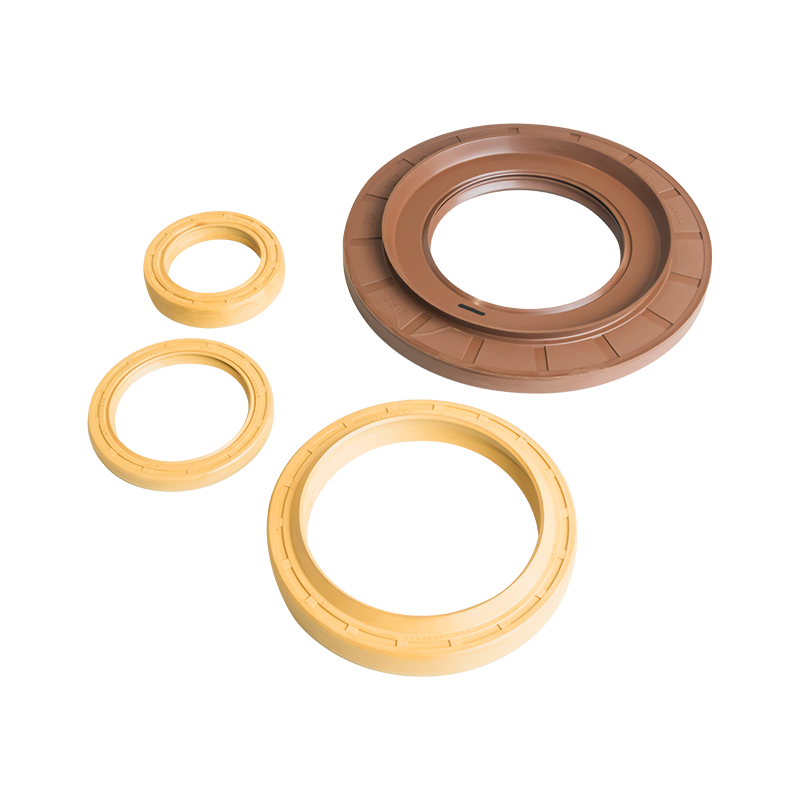
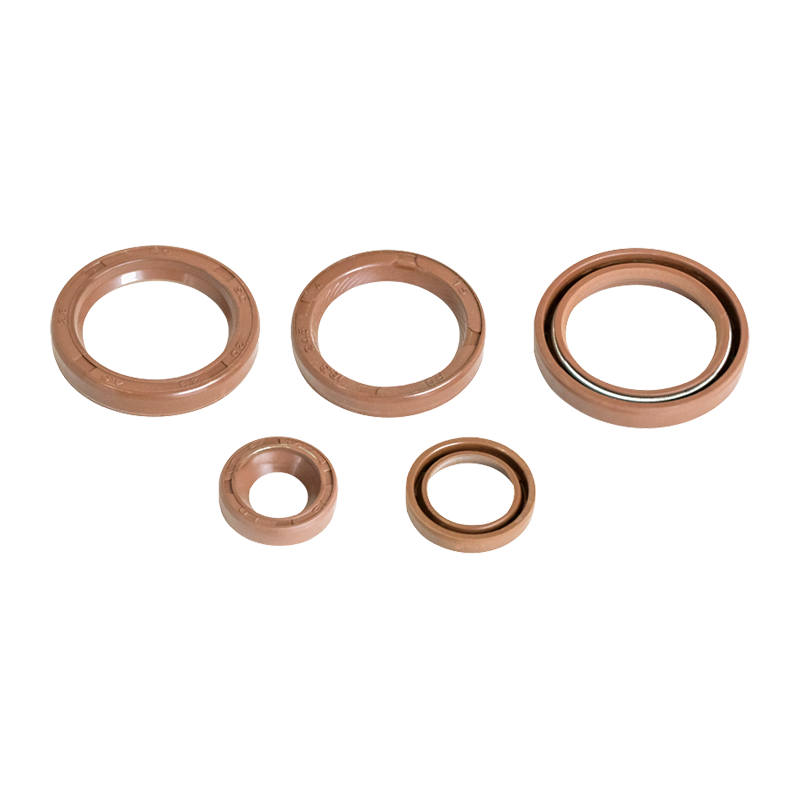
A TB Type Auto Parts Oil Seal Kit plays a crucial role in maintaining the proper functioning of automotive engines and machinery. Its primary function is to prevent oil leakage and contamination, ensuring smooth operation of the equipment. However, like any precision component, its performance can be significantly affected by environmental factors, particularly dust, chemicals, moisture, and other external elements. Understanding how these factors interact with the TB Type Auto Parts Oil Seal Kit is essential for both maintenance and optimal operational performance.
Dust and particulate contamination
Dust is one of the most common environmental threats to a TB Type Auto Parts Oil Seal Kit. Fine dust particles can infiltrate the sealing surface and act as abrasive agents, leading to gradual wear. Over time, this wear can create micro-gaps between the seal lip and the shaft, reducing sealing efficiency and allowing oil leakage.
In automotive and industrial environments, dust can originate from several sources, including:
- Road debris and airborne dust in vehicles
- Workshop environments with metal shavings, sand, or fine particulate matter
- Agricultural or construction machinery exposed to soil and dust
Key effects of dust on a TB Type Auto Parts Oil Seal Kit include:
- Surface abrasion: Dust particles embedded in the contact area cause friction, leading to accelerated wear of the seal lip.
- Lip deformation: Repeated friction can distort the seal lip, reducing its ability to maintain proper contact with the rotating shaft.
- Contamination accumulation: Dust can mix with oil or lubricants, forming a gritty paste that further damages the sealing interface.
To mitigate these effects, it is crucial to maintain clean operating environments, regularly inspect the seal, and use protective covers where possible. For buyers considering a TB Type Auto Parts Oil Seal Kit, selecting a design that includes dust exclusion features can significantly enhance durability.
Chemical exposure
Chemicals represent another significant environmental factor that can affect a TB Type Auto Parts Oil Seal Kit. Chemical contaminants, such as solvents, acids, alkalis, and fuels, can interact with the materials of the oil seal, compromising elasticity and structural integrity.
Common sources of chemical exposure include:
- Industrial cleaning agents
- Fuel and oil spills
- Hydraulic fluids or lubricants containing additives
Impact of chemicals on a TB Type Auto Parts Oil Seal Kit:
- Material degradation: Extended exposure to harsh chemicals can cause swelling, softening, or hardening of the seal material. This leads to a loss of flexibility and reduced sealing efficiency.
- Cracking and brittleness: Certain chemicals can induce micro-cracks in the sealing surface, increasing the likelihood of leaks under operational pressure.
- Reduced lifespan: Chemical attacks accelerate wear and require more frequent replacement, increasing maintenance costs.
Proper material selection is critical when operating in chemical-prone environments. For example, seals made from high-resistance elastomers can provide better protection against chemical attack. Additionally, using shields or barriers to prevent direct contact with harmful substances can help maintain the performance of a TB Type Auto Parts Oil Seal Kit.
Moisture and water contamination
Moisture is another environmental factor that can negatively affect a TB Type Auto Parts Oil Seal Kit. Water ingress can cause corrosion of the shaft or housing, reducing the seal’s effectiveness. In addition, moisture can mix with lubricants, forming emulsions that diminish lubrication efficiency and increase wear.
Key considerations for moisture exposure:
- Sealing effectiveness: Water can reduce the friction properties of the seal material, potentially leading to slippage or leakage.
- Corrosion acceleration: Metal components in contact with the seal, such as shafts, are prone to rust when exposed to moisture.
- Microbial growth: In some cases, water contamination can promote microbial activity in lubricants, which may degrade the oil and seal material.
To minimize moisture-related risks, proper sealing designs that resist water ingress and routine inspection for leaks or corrosion are recommended. For environments with high humidity or water exposure, using a TB Type Auto Parts Oil Seal Kit with water-resistant properties is advisable.
Temperature fluctuations
Although not always classified strictly as an environmental contaminant, temperature changes significantly influence the performance of a TB Type Auto Parts Oil Seal Kit. High or fluctuating temperatures can cause expansion and contraction of both the seal material and shaft, affecting sealing integrity.
Effects of temperature on the TB Type Auto Parts Oil Seal Kit:
- Material fatigue: Repeated heating and cooling cycles can accelerate wear and reduce elasticity.
- Thermal hardening or softening: Excessive heat can soften the seal, leading to leakage, while cold temperatures can harden the material, causing cracks.
- Accelerated aging: Continuous exposure to high temperature conditions can accelerate the chemical aging of elastomers used in the seal.
Choosing a seal kit with materials suited for the expected temperature range is essential. Additionally, monitoring operating conditions and avoiding overheating can extend the life of a TB Type Auto Parts Oil Seal Kit.
Protective measures and maintenance strategies
To ensure the longevity of a TB Type Auto Parts Oil Seal Kit, implementing effective protective and maintenance strategies is critical. These include:
- Regular inspection: Frequent checks for wear, deformation, or leaks help identify potential issues before they escalate.
- Proper installation: Ensuring the seal is installed correctly without misalignment reduces the risk of damage from environmental factors.
- Use of protective covers: Shields or bellows can prevent dust, dirt, and chemical splashes from reaching the seal.
- Material selection: Choosing elastomers with high resistance to environmental factors like chemicals, dust, and water enhances performance.
- Lubrication management: Using clean, compatible lubricants minimizes contamination and friction-related wear.
By combining these strategies, operators can maintain optimal performance and extend the service life of the TB Type Auto Parts Oil Seal Kit.
Industry applications and considerations
The TB Type Auto Parts Oil Seal Kit is widely used in various industries, including automotive, manufacturing, and heavy machinery. Environmental factors differ significantly between applications:
| Industry |
Environmental Factors |
Recommended Measures |
| Automotive |
Road dust, water, chemicals from fuels |
Protective covers, high-resistance elastomers, regular inspection |
| Manufacturing |
Metal shavings, oil mist, cleaning chemicals |
Seals with dust lips, chemical-resistant materials, routine maintenance |
| Agricultural |
Soil, moisture, fertilizers |
Water-resistant seals, shields, frequent cleaning |
| Construction |
Dust, debris, temperature fluctuations |
Heavy-duty seals, protective boots, heat-resistant materials |
Understanding the specific environmental challenges of each industry allows for better selection and maintenance of the TB Type Auto Parts Oil Seal Kit.
Common buyer questions related to environmental effects
When selecting a TB Type Auto Parts Oil Seal Kit, buyers often ask questions such as:
- How resistant is this seal kit to dust and dirt?
- Can the seal handle exposure to hydraulic fluids or cleaning chemicals?
- What temperature ranges are safe for long-term operation?
- How often should seals be inspected or replaced under harsh environmental conditions?
- Are there options for seals with additional protective features against moisture and debris?
Addressing these concerns during the selection process helps prevent premature failure and ensures reliable performance.
Conclusion
Environmental factors such as dust, chemicals, moisture, and temperature fluctuations can significantly impact the performance and lifespan of a TB Type Auto Parts Oil Seal Kit. Understanding these effects allows engineers, technicians, and buyers to implement effective preventive measures, choose appropriate materials, and adopt proper maintenance strategies.
By maintaining clean operating conditions, selecting seals with suitable material properties, and conducting regular inspections, the risk of failure can be minimized, ensuring the TB Type Auto Parts Oil Seal Kit continues to provide reliable sealing performance. Recognizing the interaction between environmental factors and the seal is a critical step in optimizing machinery operation, reducing downtime, and achieving long-term operational efficiency.


 English
 русский
 中文简体
中文简体