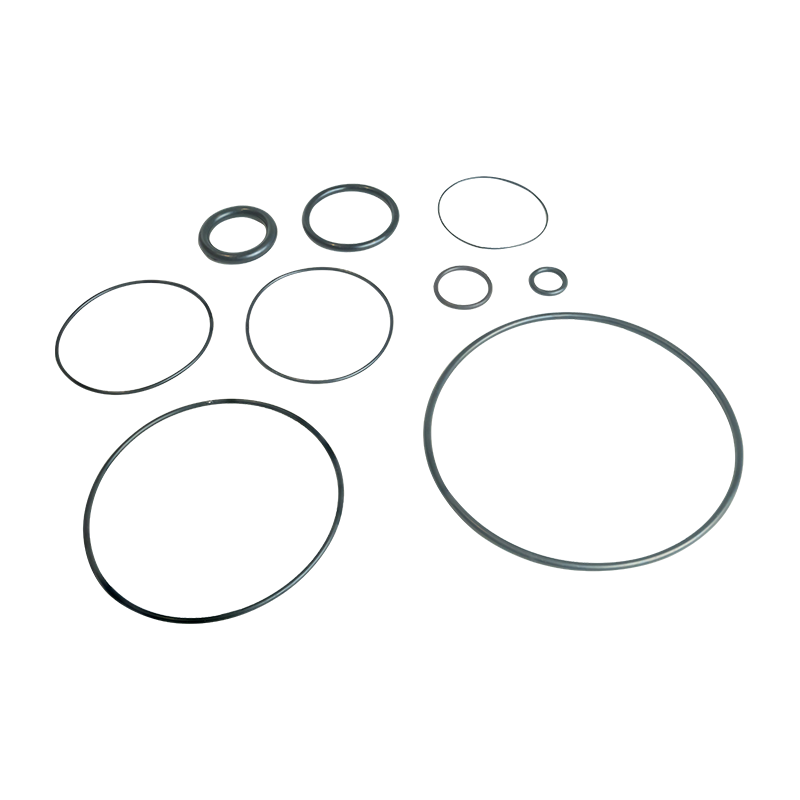
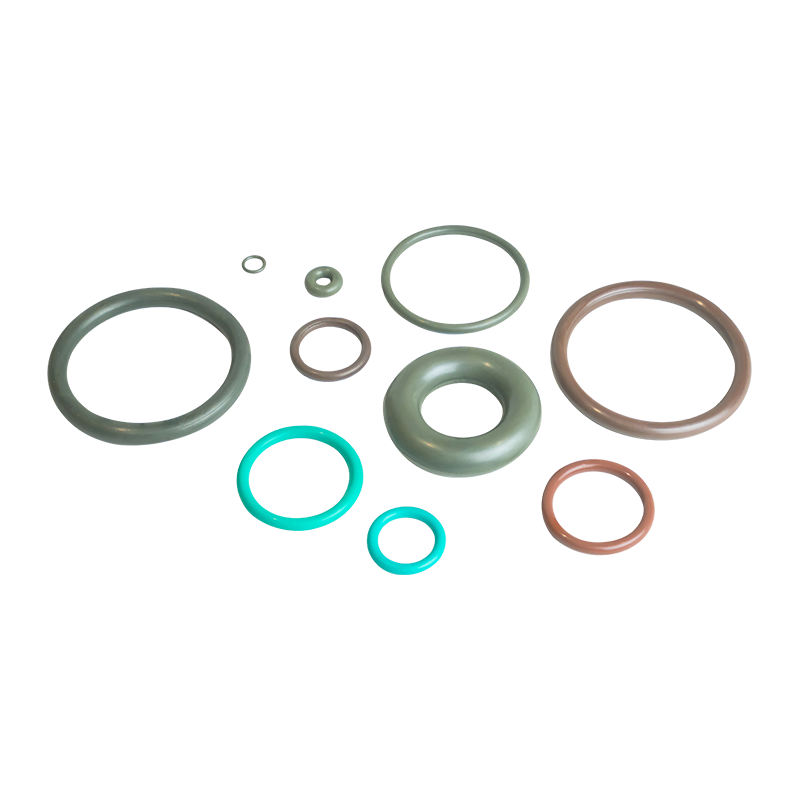
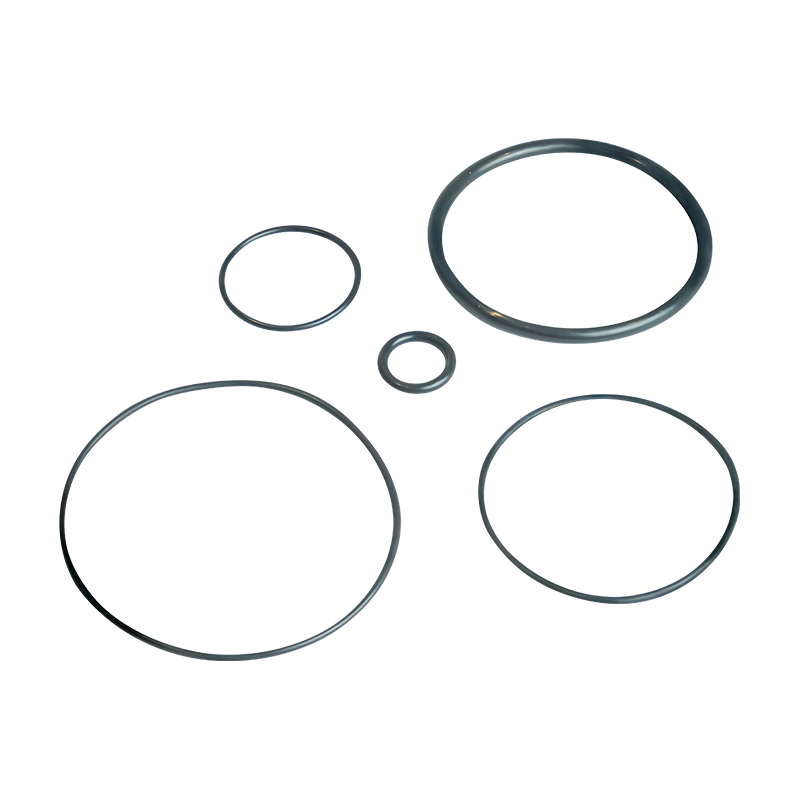
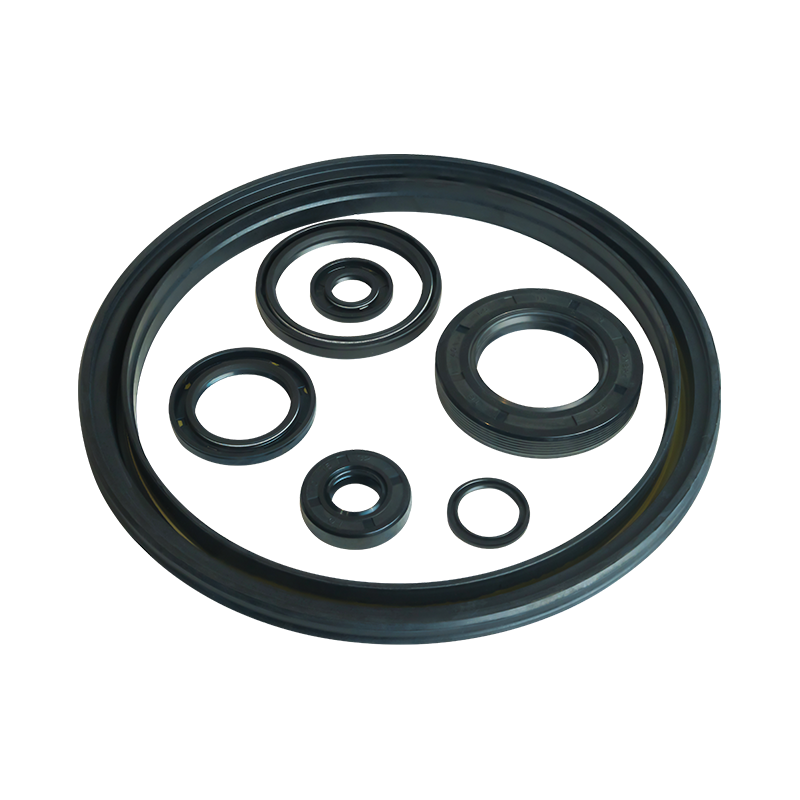
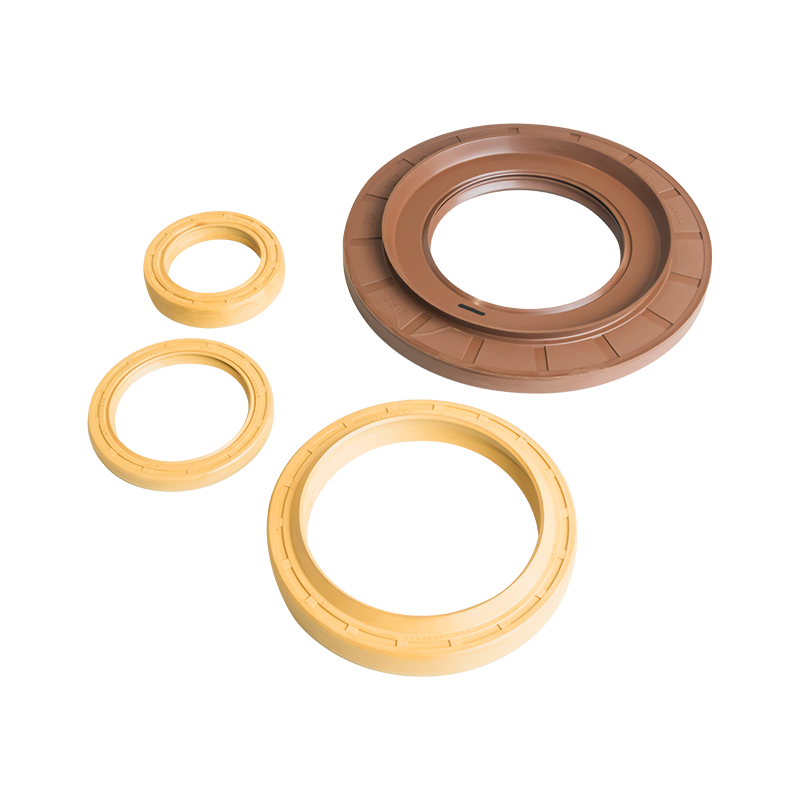
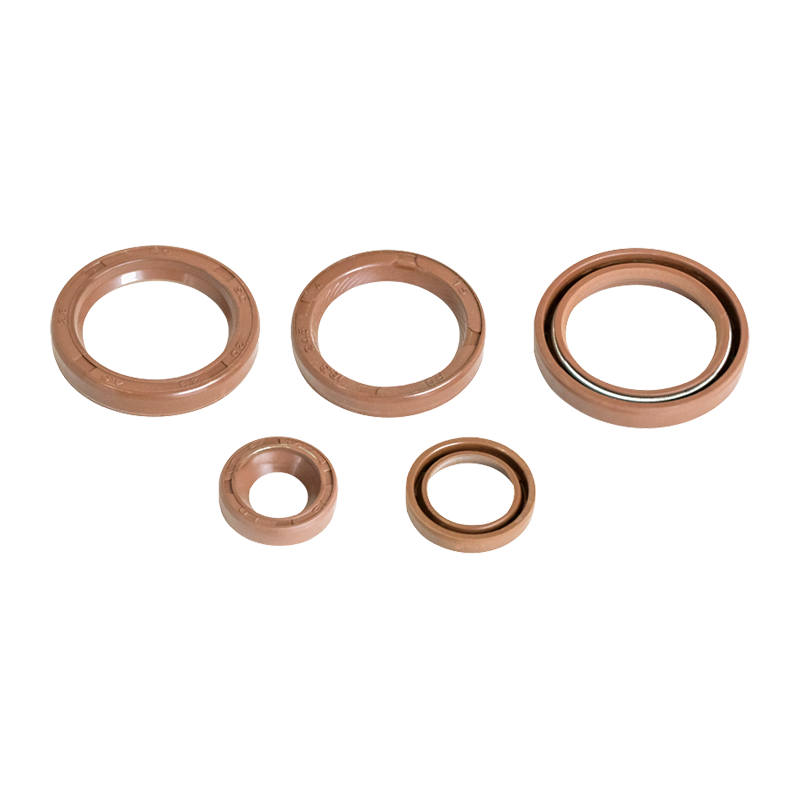
The performance and longevity of an engine depend heavily on the integrity of its components. One such critical component is the crankshaft oil seal, which plays a central role in preventing oil leaks and ensuring smooth engine operation. Among the various options available, the engine wear-resistant crankshaft oil seal kit has emerged as a reliable choice for high-performance and long-lasting applications. Unlike standard crankshaft oil seals, these kits are designed to withstand higher stress, reduce wear, and improve engine efficiency over time.
Understanding Crankshaft Oil Seals
The role of crankshaft oil seals
Crankshaft oil seals serve as a barrier between the rotating crankshaft and the stationary engine components. Their primary function is to prevent oil leakage, which can otherwise lead to contamination, reduced lubrication efficiency, and engine damage. Standard crankshaft oil seals are designed to handle typical operating conditions but may fall short under high-temperature, high-pressure, or long-duration usage.
Common limitations of standard crankshaft oil seals
Standard seals are typically made from conventional rubber or synthetic materials that offer adequate sealing under normal conditions. However, repeated exposure to friction, heat, and engine vibrations can cause premature wear, hardening, or deformation. This results in oil leaks, increased maintenance costs, and potential engine damage if not addressed promptly.
Material Differences Between Engine Wear-Resistant and Standard Seals
Advanced materials in engine wear-resistant crankshaft oil seal kit
One of the most significant differences lies in the materials used. The engine wear-resistant crankshaft oil seal kit typically employs high-grade polymers or composite elastomers, often reinforced with special additives to enhance durability. These materials provide excellent resistance to heat, friction, and chemical degradation, allowing the seal to maintain its shape and flexibility under harsh operating conditions.
Standard seal materials
In contrast, standard crankshaft oil seals generally use simple nitrile rubber (NBR) or silicone compounds. While these materials are cost-effective and sufficient for regular applications, they tend to age faster and are more prone to cracking or shrinkage when exposed to extreme temperatures or extended engine operation.
Comparative summary
| Feature |
Engine Wear-Resistant Crankshaft Oil Seal Kit |
Standard Crankshaft Oil Seal |
| Material durability |
High-grade polymers, reinforced composites |
Nitrile rubber or silicone |
| Heat resistance |
High |
Moderate |
| Wear resistance |
Superior |
Standard |
| Longevity |
Extended |
Limited under stress |
Design and Structural Differences
Enhanced design for durability
The engine wear-resistant crankshaft oil seal kit is engineered with a design that emphasizes long-term sealing performance. It often includes features such as a reinforced sealing lip, optimized contact pressure, and anti-extrusion elements. These design improvements ensure consistent contact with the crankshaft, reducing oil leakage and wear over time.
Standard seal design
Standard crankshaft oil seals typically have a single sealing lip with minimal reinforcement. While effective under normal conditions, their simple structure may fail under high-speed rotations or extreme pressure, leading to loss of sealing efficiency.
Impact on performance
The structural enhancements in engine wear-resistant crankshaft oil seal kit contribute to improved engine efficiency, reduced maintenance needs, and minimized oil contamination risks. Standard seals, while functional, require more frequent inspections and replacements to maintain optimal performance.
Performance Under Stress
Friction and wear resistance
A key advantage of engine wear-resistant crankshaft oil seal kit is its ability to withstand high friction between the seal and the crankshaft. This is particularly important in engines with higher RPMs or those exposed to heavy-duty operations. Standard seals often exhibit accelerated wear under similar conditions, increasing the likelihood of oil leakage.
Temperature and chemical resistance
The materials used in engine wear-resistant crankshaft oil seal kit also provide superior thermal stability, allowing the seal to perform consistently across a wide temperature range. Furthermore, these seals are resistant to degradation from engine oils, additives, and other chemicals, ensuring long-term reliability. Standard seals, however, may soften or harden when exposed to extreme heat or certain lubricants, reducing their lifespan.
Longevity and maintenance
The extended durability of engine wear-resistant crankshaft oil seal kit reduces the frequency of replacements, lowering maintenance costs and downtime. Standard seals may require regular monitoring and earlier replacement, especially in demanding applications.
Installation Considerations
Pre-installation checks
When installing an engine wear-resistant crankshaft oil seal kit, it is crucial to inspect the crankshaft and housing for any surface irregularities or damage, as even minor imperfections can compromise sealing efficiency. Standard seals also require similar checks, but the higher durability of wear-resistant seals allows for a slightly more forgiving installation window.
Installation techniques
Proper installation involves ensuring the seal is aligned correctly, avoiding excessive force that could damage the sealing lip. Many engine wear-resistant crankshaft oil seal kits are designed with guiding features that facilitate accurate placement, reducing installation errors. Standard seals typically lack these design considerations, making careful manual installation essential.
Lubrication during installation
Applying a thin layer of engine oil or grease on the sealing lip during installation is recommended for both types of seals. For wear-resistant kits, this step enhances the initial run-in period, allowing the seal to conform to the crankshaft surface and maximize longevity.
Industrial Applications and Benefits
Heavy-duty engines
Engine wear-resistant crankshaft oil seal kit is particularly suited for commercial vehicles, construction machinery, and industrial engines, where prolonged operation and high stress levels are common. The improved wear resistance and thermal stability help prevent unexpected downtime and reduce maintenance costs.
Performance vehicles
High-performance and racing engines benefit from wear-resistant seals due to their ability to maintain oil pressure and reduce leakage under extreme operating conditions. Standard seals may fail prematurely in such applications, leading to engine damage and performance loss.
Cost-effectiveness
While the initial investment in an engine wear-resistant crankshaft oil seal kit may be higher than standard seals, the extended service life and reduced maintenance needs make it a cost-effective choice for many buyers.
Common Buyer Concerns
Compatibility
Buyers often ask whether engine wear-resistant crankshaft oil seal kit is compatible with existing engines. Most kits are designed to fit standard crankshaft dimensions, but confirming specifications is essential to avoid installation issues.
Reliability
Reliability is a top priority for buyers. The combination of high-quality materials, reinforced design, and superior wear resistance ensures consistent performance even in demanding conditions.
Maintenance requirements
Compared to standard seals, engine wear-resistant crankshaft oil seal kit requires less frequent inspection and replacement, alleviating concerns about maintenance downtime and costs.
Maintenance and Best Practices
Routine inspections
Even with wear-resistant seals, regular checks for oil leakage, surface wear, and seal deformation are recommended. This ensures that minor issues are addressed before they escalate.
Cleaning and lubrication
Keeping the seal and surrounding components clean, along with proper lubrication, helps maintain optimal sealing performance. Engine wear-resistant crankshaft oil seal kit benefits significantly from these simple practices, extending its operational life.
Timely replacements
Replacing the seal before it reaches the end of its service life prevents unexpected engine damage. Wear-resistant kits offer a longer replacement interval, but proactive maintenance is still advisable.
Conclusion
The engine wear-resistant crankshaft oil seal kit represents a significant improvement over standard crankshaft oil seals in terms of materials, design, and performance. With superior wear resistance, thermal stability, and structural enhancements, these kits provide longer service life, reduced maintenance, and improved engine efficiency.
For buyers and industry professionals, understanding the differences between standard seals and wear-resistant kits is crucial for making informed decisions, whether for commercial, industrial, or high-performance engines. Investing in an engine wear-resistant crankshaft oil seal kit ensures that critical engine components remain protected, operational reliability is maintained, and overall maintenance costs are minimized.


 English
 русский
 中文简体
中文简体