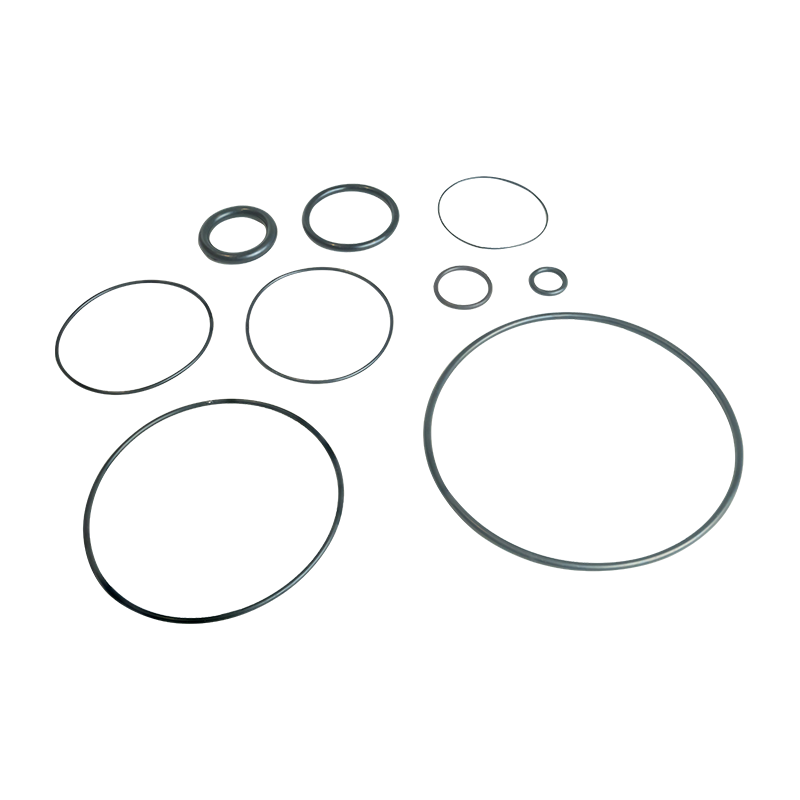
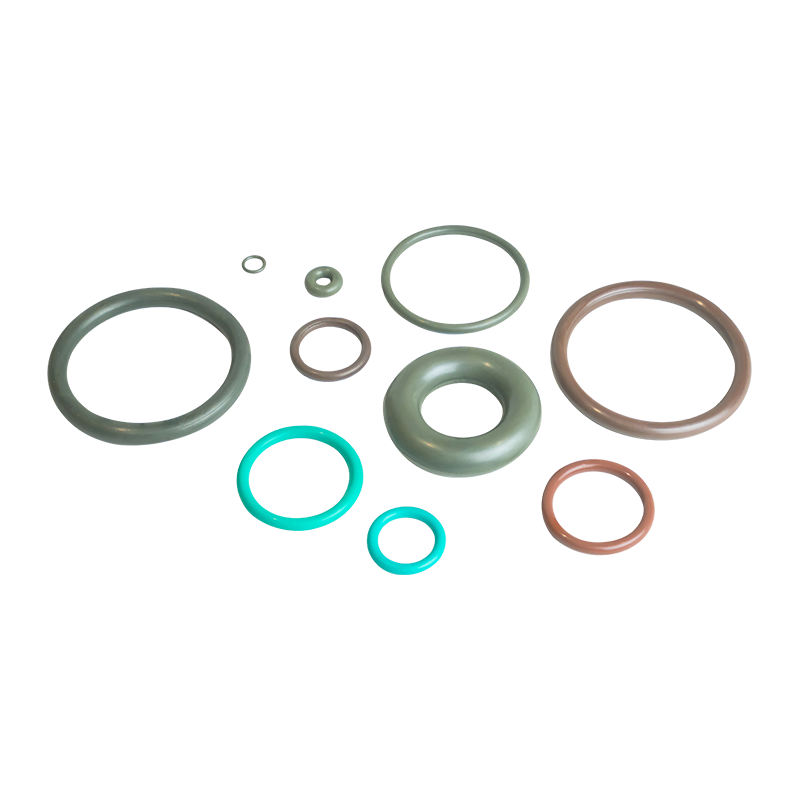
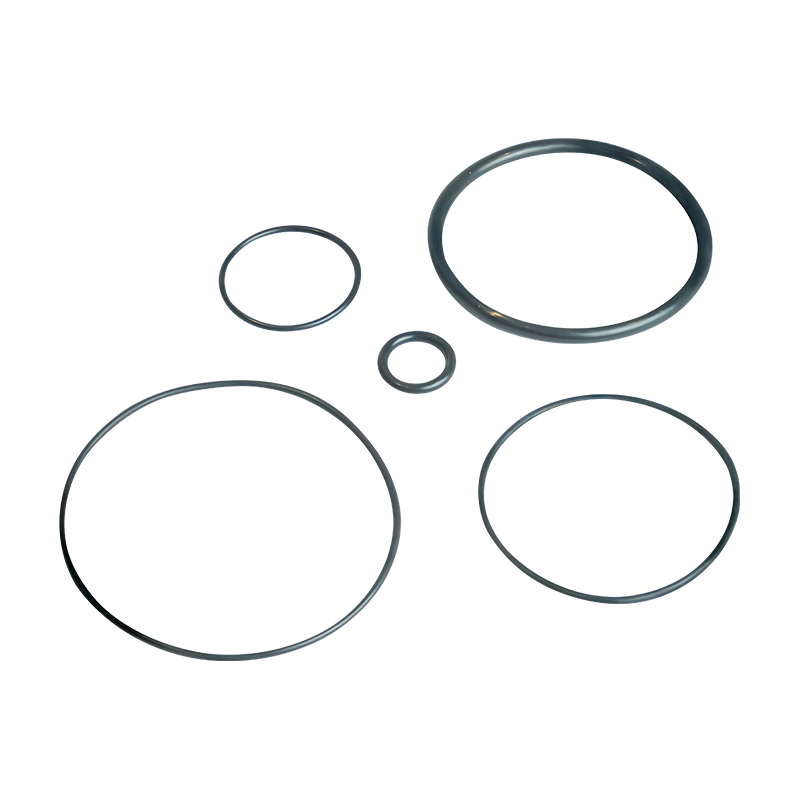
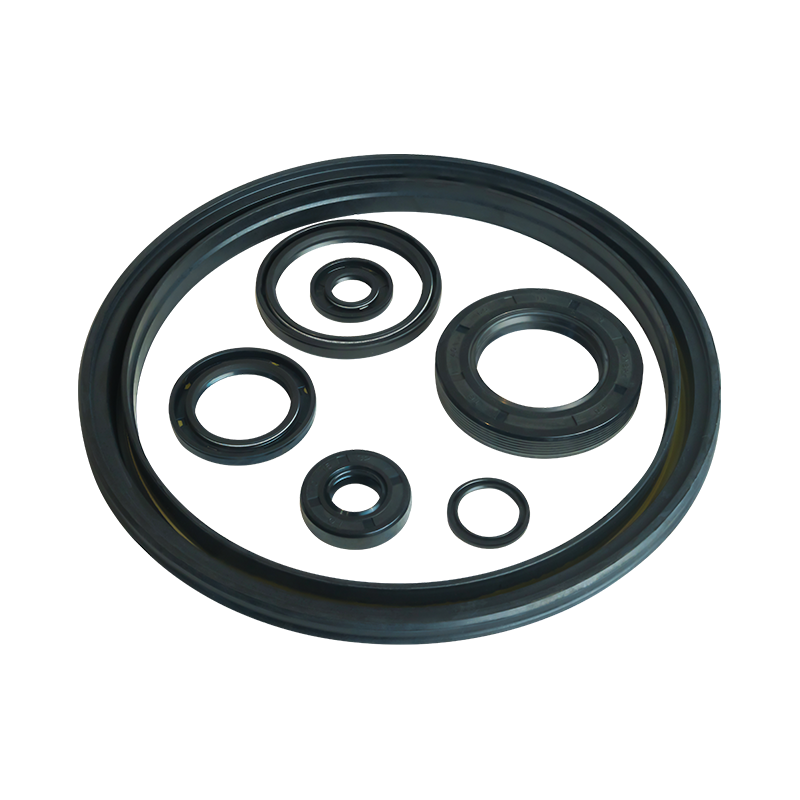
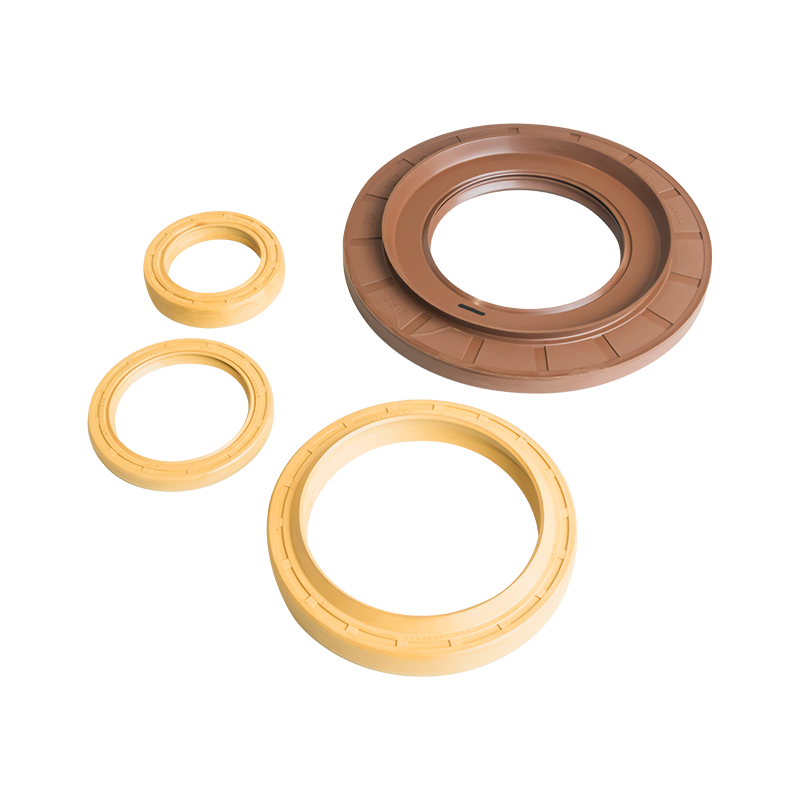
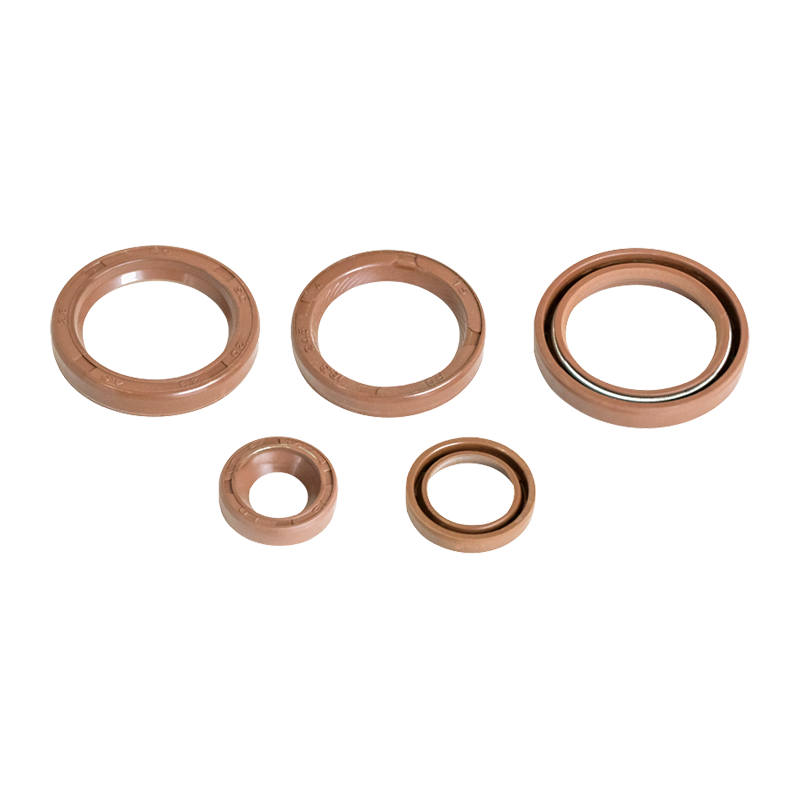
The Engine Wear-Resistant Crankshaft Oil Seal Kit is a critical component in maintaining engine integrity and performance. Its primary function is to prevent engine oil leakage at the interface between the crankshaft and engine casing, ensuring consistent lubrication and reducing wear on moving components. While various factors influence the effectiveness of an engine wear-resistant crankshaft oil seal kit, oil viscosity plays a particularly important role.
Oil viscosity and its role in engine lubrication
Oil viscosity refers to the thickness or resistance to flow of a lubricant. It determines how easily the oil can move across engine surfaces and maintain a protective film between contacting parts. Lubrication efficiency, seal integrity, and overall engine wear are highly dependent on the viscosity of the selected oil.
Higher viscosity oils tend to form thicker films, which can enhance sealing performance by reducing metal-to-metal contact and preventing leaks. Conversely, lower viscosity oils flow more easily, improving circulation and cooling but potentially reducing the effectiveness of the seal against oil leakage. Therefore, choosing the correct oil viscosity is crucial for optimizing the performance of an engine wear-resistant crankshaft oil seal kit.
Table 1: Typical oil viscosity grades and their impact on engine wear
| Oil Grade |
Operating Temperature Range |
Impact on Engine Wear |
Seal Interaction |
| SAE 5W-30 |
-30°C to 30°C |
Moderate wear protection |
Adequate sealing, low resistance |
| SAE 10W-40 |
-20°C to 40°C |
Good wear protection |
Improved sealing under moderate loads |
| SAE 15W-50 |
-10°C to 50°C |
High wear protection at high temperatures |
Thicker oil film may stress seals at cold start |
The table illustrates how oil viscosity affects the protective capabilities of the oil and the interaction with the engine wear-resistant crankshaft oil seal kit. Selecting an oil grade outside the recommended range may lead to either increased wear or premature seal degradation.
Interaction between oil viscosity and seal performance
The engine wear-resistant crankshaft oil seal kit relies on the hydrodynamic film of the lubricant to maintain a barrier between the crankshaft and housing. Viscosity directly influences this film’s thickness and stability:
-
High-viscosity oil forms a thicker protective layer that reduces friction and wear between the seal lip and the crankshaft. However, excessive viscosity can increase mechanical resistance during startup, potentially leading to seal deformation or accelerated wear.
-
Low-viscosity oil reduces startup resistance and enhances circulation efficiency, but may result in insufficient sealing pressure, increasing the likelihood of oil leakage over time.
Maintaining the balance between viscosity, seal material properties, and operating conditions is therefore crucial. Engine designers often specify recommended oil grades to ensure that the engine wear-resistant crankshaft oil seal kit performs optimally across varying temperatures and loads.
Temperature effects on oil viscosity and seal performance
Temperature has a direct impact on oil viscosity. As temperature rises, oil becomes thinner, reducing its ability to maintain a lubricating film. Conversely, at low temperatures, oil thickens, which can increase startup resistance. Both extremes affect the performance of the engine wear-resistant crankshaft oil seal kit:
-
High-temperature conditions: Reduced oil viscosity may lead to micro-leakage at the seal interface, potentially causing long-term wear of the crankshaft and seal lip. High heat may also accelerate material fatigue in the seal itself.
-
Low-temperature conditions: Thickened oil can strain the seal during engine startup. The seal may experience excessive friction, leading to premature wear or even lip cracking.
By selecting oil with appropriate temperature-dependent viscosity characteristics, operators can maintain a consistent sealing effect and protect the engine wear-resistant crankshaft oil seal kit under varying operating conditions.
Table 2: Influence of temperature on seal and oil interaction
| Temperature (°C) |
Oil Viscosity Effect |
Seal Response |
Recommended Action |
| -20 |
High resistance |
Lip stress, slow movement |
Use low-temperature compatible oil |
| 0 |
Moderate flow |
Normal sealing |
Standard oil grade acceptable |
| 60 |
Reduced viscosity |
Potential leakage |
Ensure oil viscosity within high-temp range |
| 100 |
Very low viscosity |
Seal lip wear, micro-leaks |
Use high-temperature stable oil |
The table demonstrates the importance of understanding temperature-dependent oil viscosity when evaluating seal performance.
Material considerations for engine wear-resistant crankshaft oil seal kits
The effectiveness of a seal kit is not solely dependent on oil viscosity. Seal materials must be compatible with the lubricant to prevent chemical degradation or mechanical wear. Common materials for engine wear-resistant crankshaft oil seal kits include:
- Nitrile rubber (NBR): Excellent compatibility with mineral oils, moderate resistance to heat, and commonly used in standard automotive applications.
- Fluoroelastomer (FKM/Viton): High resistance to temperature extremes and synthetic oils, often used in high-performance engines.
- Polyacrylate and silicone blends: Provide flexibility at low temperatures while maintaining structural integrity in hot environments.
The interaction between seal material and oil viscosity is critical. For instance, high-viscosity oil may exert excessive pressure on a softer NBR seal, causing deformation, whereas FKM seals can withstand the same pressure without compromise. Understanding these material properties ensures proper performance of the engine wear-resistant crankshaft oil seal kit across different operating conditions.
Common issues related to improper oil viscosity
Improper selection of oil viscosity can lead to multiple issues affecting the engine wear-resistant crankshaft oil seal kit:
- Oil leakage: Too thin oil can escape past the seal, leading to reduced lubrication and potential engine damage.
- Seal wear: Excessively thick oil increases mechanical load, causing premature wear or lip deformation.
- Reduced engine efficiency: Viscosity extremes can increase friction or reduce flow, impacting fuel efficiency and cooling.
- Contamination risk: Inadequate sealing allows debris or contaminants to enter the crankcase, affecting engine longevity.
Addressing these issues requires careful matching of oil viscosity with engine operating conditions and seal material properties.
Best practices for selecting oil for engine wear-resistant crankshaft oil seal kits
To maximize the lifespan and effectiveness of an engine wear-resistant crankshaft oil seal kit, consider the following:
- Always adhere to manufacturer-recommended viscosity grades for your engine model.
- Evaluate operating temperature ranges and environmental conditions when choosing oil.
- Monitor oil performance regularly to ensure seal integrity and prevent leaks.
- Consider synthetic oils with stable viscosity across temperature ranges for high-performance or extreme applications.
- Inspect the seal during oil changes to identify early signs of wear or compatibility issues.
Maintenance and inspection recommendations
Regular maintenance is essential for sustaining optimal performance of the engine wear-resistant crankshaft oil seal kit:
- Perform visual inspections for oil leakage or seal deformation.
- Monitor oil levels and viscosity, especially in engines operating under extreme temperatures.
- Replace seals in accordance with engine service intervals or when wear signs are detected.
- Use compatible lubricants to prevent chemical degradation of the seal material.
Implementing a proactive maintenance strategy ensures both the seal and the engine remain in good working condition.
Conclusion
Oil viscosity is a critical factor affecting the performance and longevity of an engine wear-resistant crankshaft oil seal kit. Proper selection of oil viscosity, considering temperature, operating conditions, and seal material compatibility, directly impacts sealing effectiveness, wear prevention, and overall engine performance.
Frequently Asked Questions (FAQ)
Q1: Can I use a lower-viscosity oil to improve fuel efficiency without damaging the seal kit?
A: Using lower-viscosity oil may improve circulation and efficiency but can reduce the sealing pressure at the crankshaft interface. Ensure the selected oil remains within the manufacturer’s recommended viscosity range for safe operation.
Q2: How does high-viscosity oil affect cold-start performance?
A: High-viscosity oils can increase startup resistance, placing additional stress on the seal lip and potentially accelerating wear, especially in cold climates.
Q3: How often should the engine wear-resistant crankshaft oil seal kit be inspected?
A: Inspections should coincide with regular maintenance intervals or oil changes. Visual checks for leaks, cracks, or deformation are recommended.
Q4: Are synthetic oils better for protecting seals compared to mineral oils?
A: Synthetic oils typically offer more stable viscosity across temperature ranges, improving seal performance under both high and low temperatures. Compatibility with the seal material should still be confirmed.
Q5: Can improper oil viscosity lead to complete seal failure?
A: Yes, selecting an oil that is too thin or too thick can lead to leakage, accelerated wear, and ultimately seal failure if not addressed promptly.
References
- Smith, J. Lubrication Principles in Automotive Engineering. Automotive Press, 2020.
- Brown, L. Engine Seal Materials and Performance. Mechanical Engineering Journal, 2019.
- Thompson, R. Oil Viscosity and Engine Component Interaction. International Lubrication Review, 2021.


 English
 русский
 中文简体
中文简体