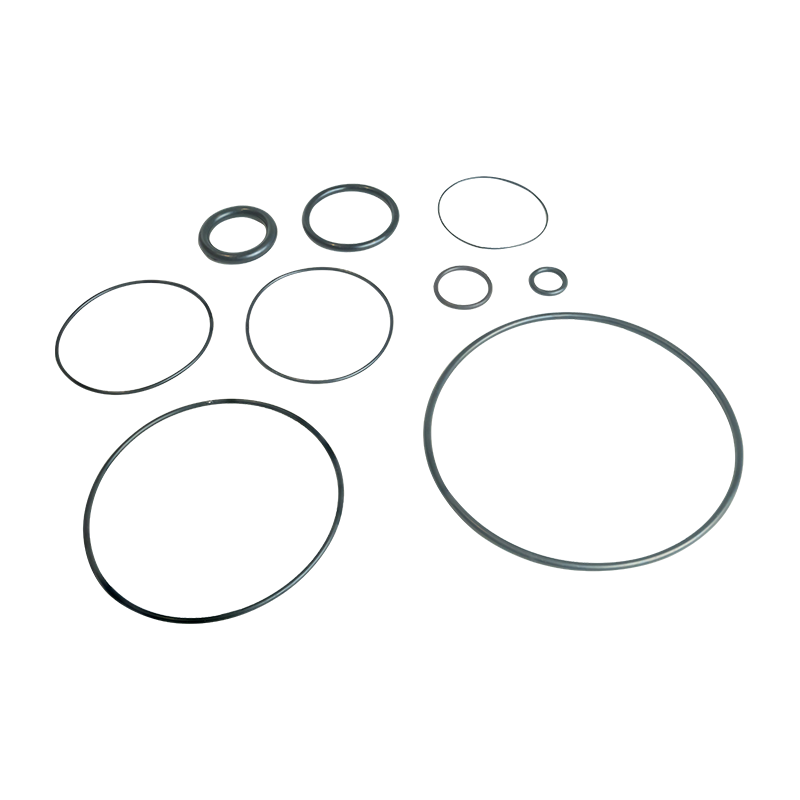
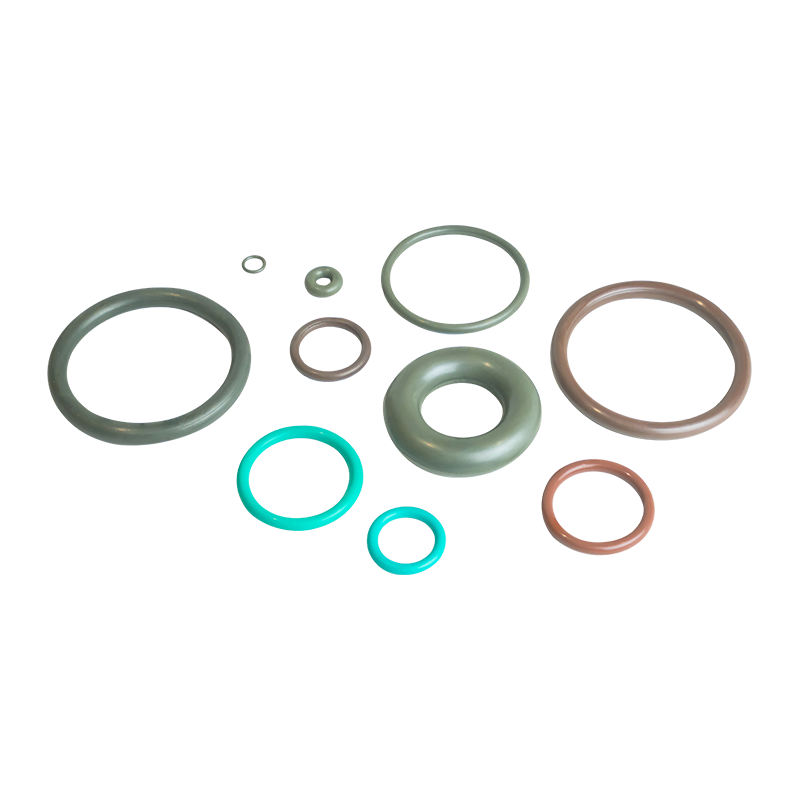
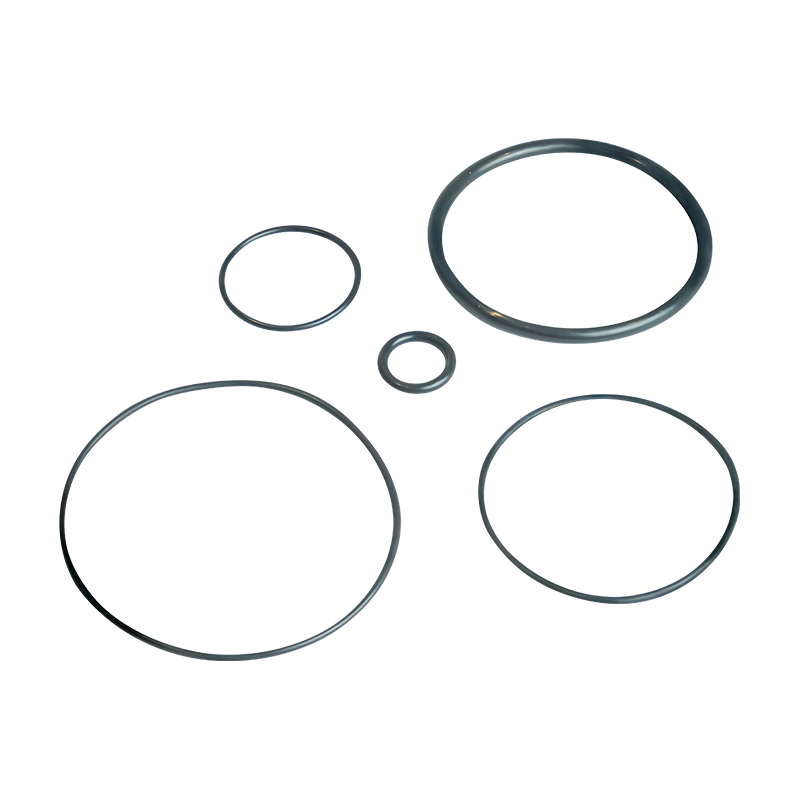
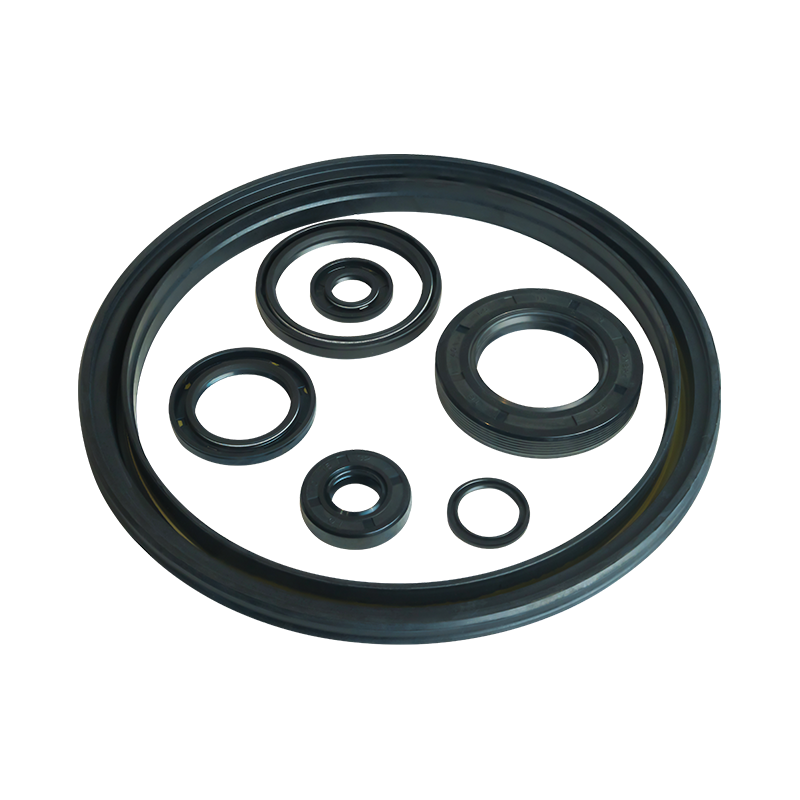
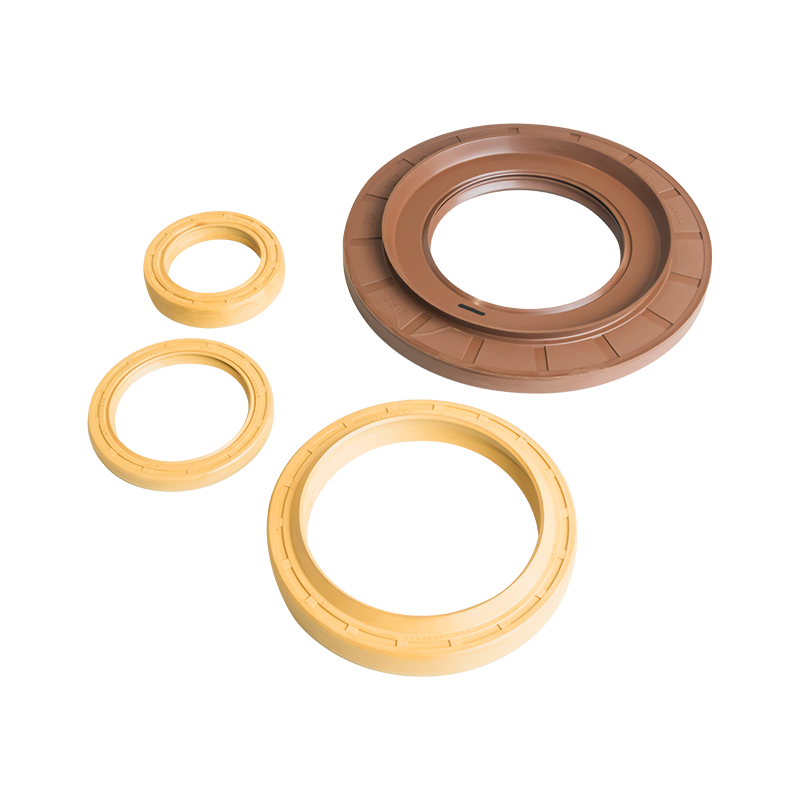
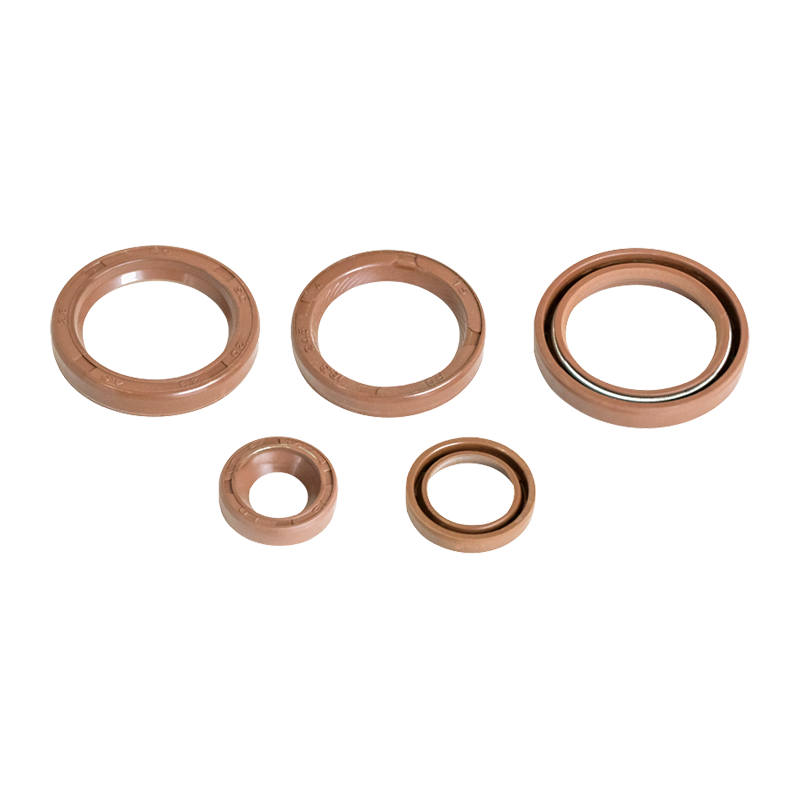
Hydrogenated nitrile (HNBR) O-ring seal kits are widely used in hydraulic systems, pneumatic equipment, automotive applications, and various industrial sealing solutions due to their excellent resistance to heat, chemicals, and mechanical stress. Among the key performance indicators for HNBR O-rings, compression set properties play a crucial role in determining the long-term reliability and efficiency of sealing systems. Compression set refers to the permanent deformation of an elastomer after prolonged compression, which can directly affect the sealing effectiveness of hydrogenated nitrile (HNBR) O-ring seal kits.
Understanding compression set in HNBR O-rings
Compression set is a measure of the permanent deformation an elastomer experiences after being compressed for a specified time and temperature. For hydrogenated nitrile (HNBR) O-ring seal kits, a low compression set indicates that the material retains its shape and maintains contact pressure, which is essential for preventing leakage and ensuring consistent sealing performance.
Factors influencing compression set
Several factors determine the compression set behavior of hydrogenated nitrile (HNBR) O-ring seal kits:
- Material formulation: The chemical composition of HNBR, including hydrogenation level, crosslink density, and the presence of fillers or stabilizers, significantly affects compression set.
- Temperature: Elevated temperatures accelerate the relaxation of polymer chains, leading to a higher compression set. Hydrogenated nitrile (HNBR) O-ring seal kits are often rated for temperatures up to 150°C, but prolonged exposure can reduce recovery.
- Compression level: Excessive compression or under-compression can negatively impact the material’s ability to return to its original shape. Optimal squeeze is critical for maintaining sealing efficiency.
- Duration of stress: Longer periods under load increase the likelihood of permanent deformation.
Table 1 illustrates typical compression set values for hydrogenated nitrile (HNBR) O-rings under various conditions:
| Temperature (°C) |
Compression (%) |
Duration (hours) |
Compression set (%) |
| 25 |
25 |
72 |
8–12 |
| 100 |
25 |
72 |
15–20 |
| 150 |
25 |
168 |
25–30 |
| 150 |
40 |
168 |
30–35 |
The data indicates that higher temperatures and increased compression levels correlate with higher compression set, emphasizing the importance of proper material selection and design.
Impact on sealing performance
The compression set directly influences the functional reliability of hydrogenated nitrile (HNBR) O-ring seal kits. A significant permanent deformation reduces the contact pressure between the O-ring and mating surfaces, which can lead to fluid leakage, pressure loss, or even complete seal failure in critical systems. Key performance impacts include:
- Leakage prevention: O-rings with minimal compression set maintain continuous sealing contact, reducing the risk of hydraulic or pneumatic leaks.
- Durability: Low compression set ensures extended service life of hydrogenated nitrile (HNBR) O-ring seal kits, reducing maintenance frequency.
- System efficiency: By maintaining proper sealing pressure, energy losses due to pressure drops or fluid escape are minimized.
In high-pressure applications, even slight increases in compression set can compromise seal integrity. Therefore, evaluating compression set is essential during the design phase of hydraulic cylinders, pumps, and valves.
Material selection considerations
Hydrogenated nitrile (HNBR) O-ring seal kits are available in various hardness grades, typically ranging from 70 to 90 Shore A. Hardness influences the elastic recovery of the material and its resistance to permanent deformation:
- Softer HNBR O-rings (lower Shore A) provide better initial sealing contact but may experience higher compression set under load.
- Harder HNBR O-rings (higher Shore A) offer improved compression set resistance but may require precise groove design to ensure adequate squeeze.
Table 2 summarizes typical compression set values for different HNBR hardness grades:
| Hardness (Shore A) |
Temperature (°C) |
Duration (hours) |
Compression set (%) |
| 70 |
150 |
168 |
28–32 |
| 80 |
150 |
168 |
25–28 |
| 90 |
150 |
168 |
20–25 |
Selecting the appropriate hardness grade depends on the specific operating temperature, pressure, and chemical exposure conditions of the application. In addition, specialized HNBR formulations with enhanced crosslinking can further improve compression set performance in demanding environments.
Environmental influences
Compression set is not solely a function of material properties. Environmental factors such as temperature fluctuations, chemical exposure, and ozone or UV radiation can accelerate material relaxation and deformation:
- High temperature: Sustained exposure to elevated temperatures softens the polymer matrix, increasing permanent deformation.
- Aggressive fluids: Oils, fuels, and chemical solvents may induce swelling, modifying the stress distribution and impacting compression set.
- Ozone and UV: Prolonged exposure can lead to surface cracking or embrittlement, indirectly increasing compression set.
Hydrogenated nitrile (HNBR) O-ring seal kits are preferred in many industrial applications due to their superior resistance to oxidative degradation compared with standard NBR, but careful consideration of operating conditions is essential.
Design and installation strategies
Proper installation and design can significantly mitigate the effects of compression set:
- Optimal groove design: Ensuring correct gland dimensions and squeeze levels prevents over-compression and uneven stress distribution.
- Lubrication: Use of compatible seal lubricants reduces friction during installation and initial operation, minimizing material stress.
- Dynamic vs. static applications: Dynamic seals experience different stress patterns compared to static seals. Hydrogenated nitrile (HNBR) O-ring seal kits should be selected based on motion requirements.
- Periodic maintenance: Regular inspection allows early detection of seal deformation and replacement before leakage occurs.
By integrating these considerations, engineers can maximize the operational lifespan of hydrogenated nitrile (HNBR) O-ring seal kits and maintain system reliability.
Practical applications
Hydrogenated nitrile (HNBR) O-ring seal kits with low compression set are widely utilized in applications such as:
- Hydraulic cylinders: Maintaining sealing integrity under high pressure and temperature cycles.
- Automotive fuel systems: Preventing fuel leakage and ensuring environmental compliance.
- Industrial pumps and compressors: Reducing downtime and energy loss due to leaks.
- Oil and gas equipment: Providing long-term performance in chemically aggressive environments.
The ability to resist permanent deformation under compression ensures consistent sealing performance, even in high-stress, high-temperature environments.
Monitoring and testing
Monitoring compression set involves controlled testing procedures, including:
- Standardized compression set tests: Typically conducted according to ASTM D395, providing comparative data across materials and formulations.
- Field inspections: Visual assessment and measurement of O-ring deformation in operating systems.
- Performance tracking: Evaluating leakage rates and pressure stability over time to infer compression set impacts.
Testing ensures that hydrogenated nitrile (HNBR) O-ring seal kits meet design expectations and maintain functional reliability in real-world applications.
Conclusion
Compression set properties are a critical determinant of the performance and durability of hydrogenated nitrile (HNBR) O-ring seal kits. Low compression set ensures continuous sealing contact, minimizes leakage risks, and prolongs the operational life of hydraulic, pneumatic, and industrial systems. Proper material selection, environmental consideration, and installation techniques are essential for mitigating the effects of permanent deformation.
FAQ
Q1: How does compression set affect hydraulic system performance?
A1: High compression set can reduce sealing contact pressure, leading to fluid leakage, reduced system efficiency, and potential operational failures.
Q2: What hardness grade of hydrogenated nitrile (HNBR) O-ring seal kits is best for high-temperature applications?
A2: Hardness grades of 80–90 Shore A are typically preferred for high-temperature environments due to improved resistance to compression set and enhanced elastic recovery.
Q3: Can hydrogenated nitrile (HNBR) O-ring seal kits be used in dynamic applications?
A3: Yes, hydrogenated nitrile (HNBR) O-ring seal kits are suitable for dynamic seals, but proper selection based on motion type, pressure, and temperature is essential to minimize compression set and wear.
Q4: How often should O-rings be inspected for compression set?
A4: Inspection frequency depends on operating conditions, but regular scheduled maintenance every 6–12 months is recommended for critical systems.
Q5: What environmental factors accelerate compression set?
A5: High temperatures, prolonged exposure to aggressive chemicals, and oxidative conditions like ozone or UV radiation can accelerate permanent deformation.
References
- ASTM D395 – Standard Test Methods for Rubber Property—Compression Set
- “Elastomer Sealing in Hydraulic Systems,” Industrial Sealing Journal, 2021
- “Hydrogenated Nitrile (HNBR) Applications and Properties,” Journal of Elastomer Technology, 2020


 English
 русский
 中文简体
中文简体