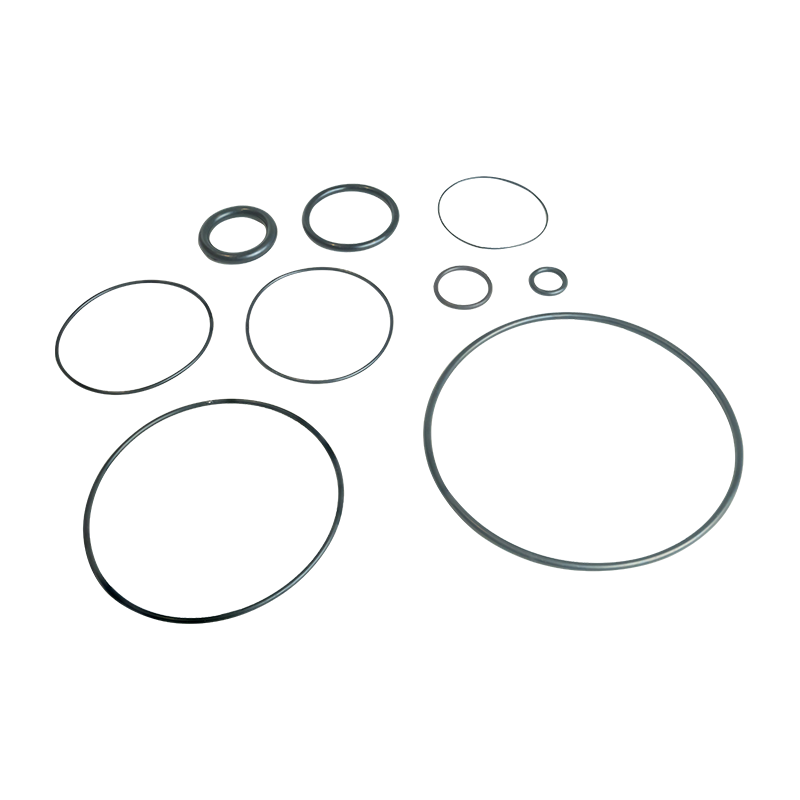
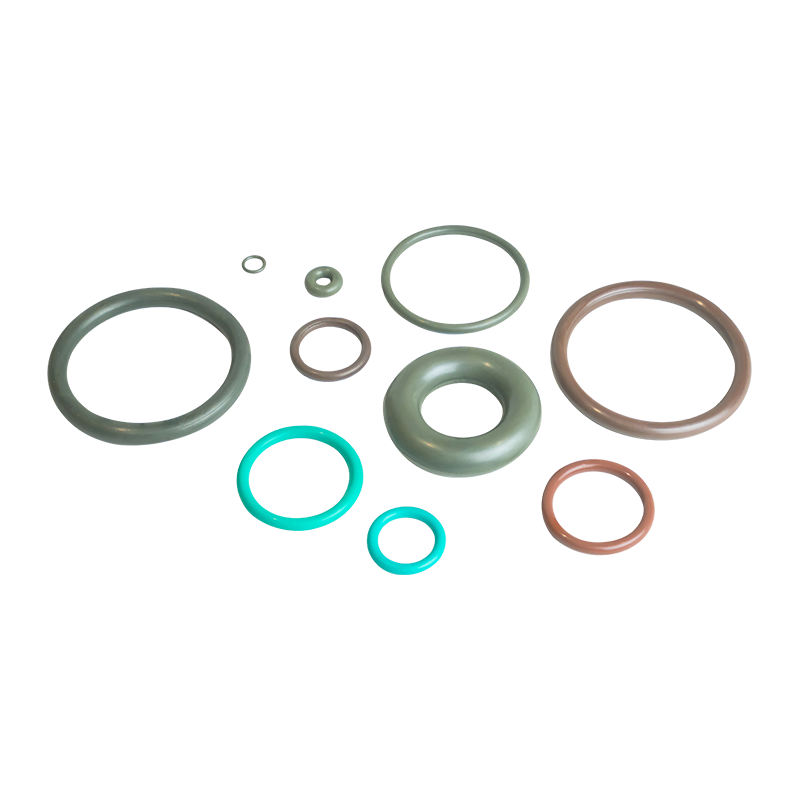
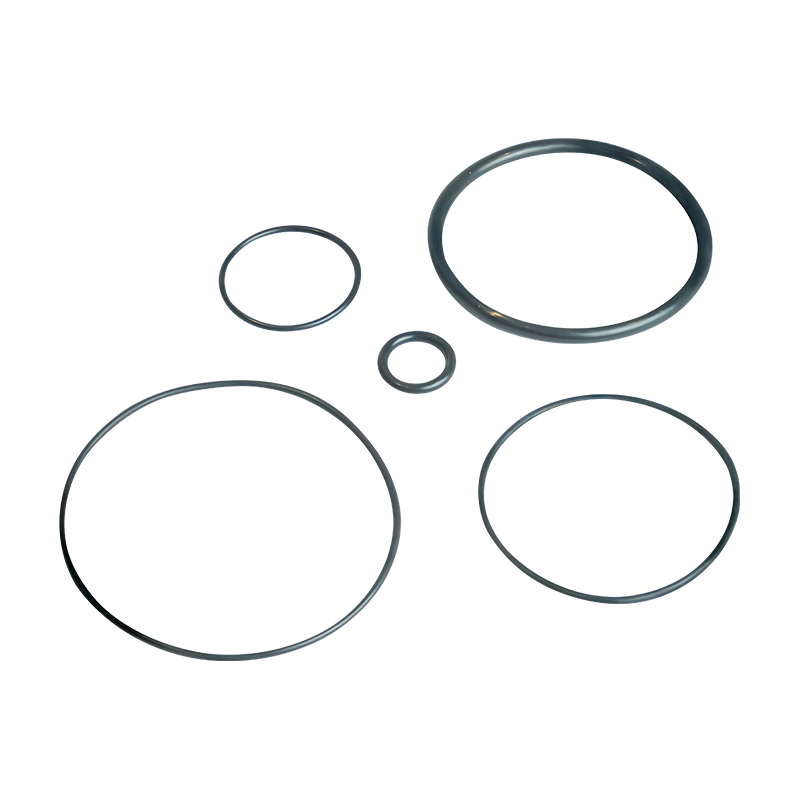
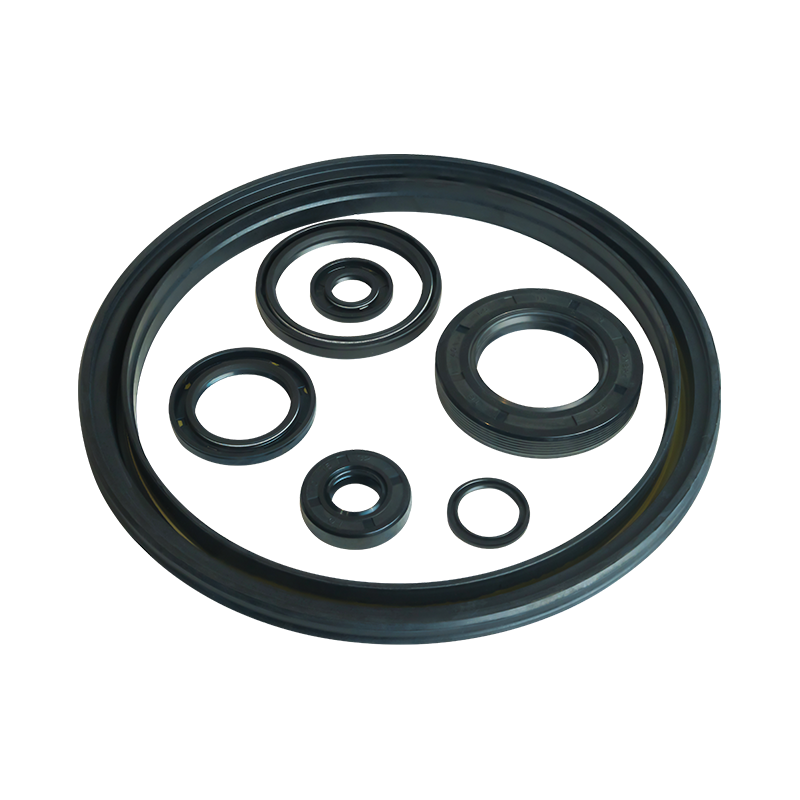
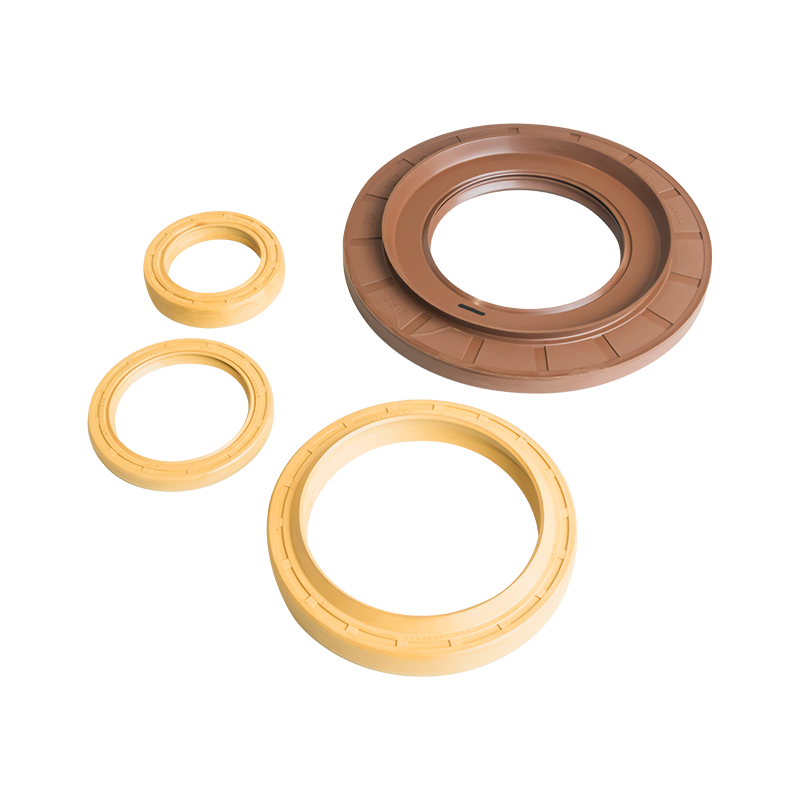
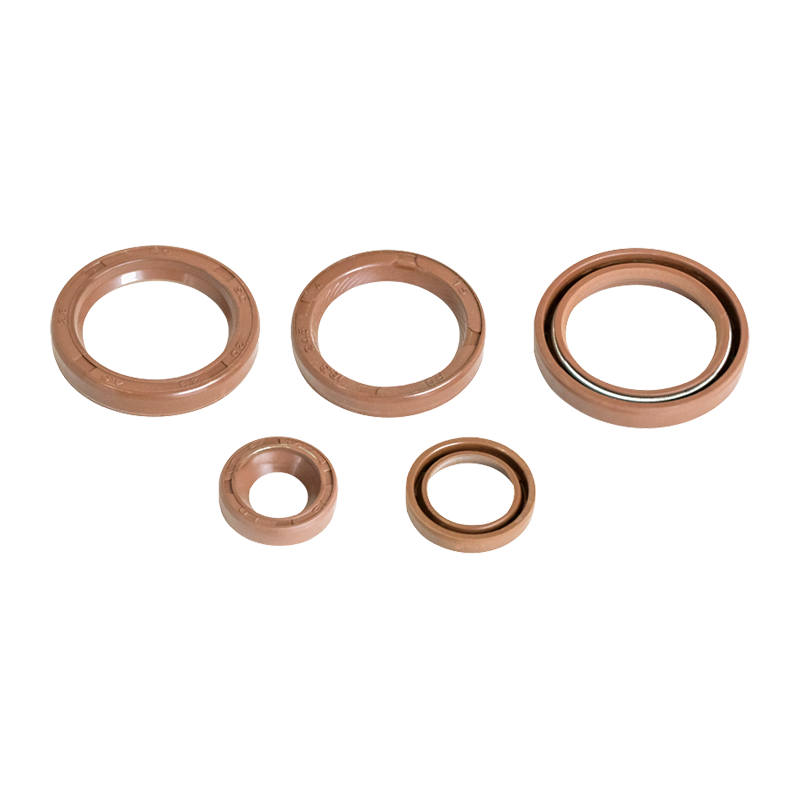
Hydrogenated nitrile (HNBR) O-Ring Seal Kits are widely used in industrial applications due to their excellent resistance to heat, oil, and chemicals. However, the effectiveness and lifespan of these seal kits largely depend on proper installation techniques. Improper handling or installation can lead to leaks, premature wear, or total seal failure.
Understanding hydrogenated nitrile (hnbr) o-ring seal kits
Before discussing installation techniques, it is important to understand the characteristics of hydrogenated nitrile (hnbr) o-ring seal kits. These kits consist of pre-sized o-rings and ancillary components designed to provide secure sealing in hydraulic, pneumatic, and fluid systems. The material properties of HNBR include:
- High temperature resistance, allowing usage in environments from -40°C to 150°C.
- Excellent chemical resistance, particularly against oils, fuels, and hydraulic fluids.
- Improved mechanical stability, including low compression set and high tensile strength compared to standard NBR.
Hydrogenated nitrile (hnbr) o-ring seal kits are suitable for hydraulic systems, automotive applications, and industrial machinery, making them an essential component for reliable sealing. Their correct installation ensures that these properties are fully utilized.
Common risks associated with improper installation
Even high-quality hydrogenated nitrile (hnbr) o-ring seal kits can fail if installation procedures are not followed. Common risks include:
- Tearing or nicking of the o-ring during handling or placement.
- Excessive stretching, causing permanent deformation and reducing sealing effectiveness.
- Misalignment in grooves, leading to uneven pressure distribution and leakage.
- Contamination from dust or debris, which can compromise the integrity of the seal.
- Chemical damage, sometimes resulting from contact with incompatible lubricants or installation tools.
Understanding these risks emphasizes why proper techniques are essential.
Preparing for installation
Preparation is the first step in ensuring successful installation of hydrogenated nitrile (hnbr) o-ring seal kits. Key preparatory steps include:
- Cleaning the installation area: All grooves, shafts, and housings should be free from dirt, metal shavings, or residues. Even small particles can cause abrasion or leakage.
- Inspecting components: Verify that the o-rings in the kit are free of cracks, cuts, or surface deformities. Damaged components should never be used.
- Selecting the right lubricant: Proper lubrication reduces friction during installation. Choose lubricants that are compatible with HNBR material, typically silicone-based or petroleum-free greases.
- Checking groove dimensions: Ensure that the groove width and depth match the o-ring specifications in the hydrogenated nitrile (hnbr) o-ring seal kits. Incorrect groove sizes can lead to extrusion or blowout under pressure.
These preparatory steps minimize installation errors and help preserve the functionality of the seal kits.
Installation techniques for hydrogenated nitrile (hnbr) o-ring seal kits
Proper handling of o-rings
Hydrogenated nitrile (hnbr) o-ring seal kits require careful handling to prevent damage:
- Avoid stretching beyond recommended limits. Excessive stretching can weaken the material structure.
- Use clean hands or gloves to prevent oil, dirt, or sweat from contaminating the o-ring surface.
- Handle o-rings individually rather than in bulk to avoid tangling or scratching.
Correct placement in grooves
Correct groove placement ensures uniform compression and prevents leakage:
- Align o-rings carefully within the groove without twisting or rolling them.
- Check for full seating along the entire circumference of the groove. Misalignment can lead to uneven wear.
- Avoid forcing the o-ring into tight or misfitting grooves, which can result in tears or permanent deformation.
Lubrication techniques
Lubrication is critical to reduce friction and prevent abrasion during installation:
- Apply a thin, uniform layer of compatible lubricant to the o-ring surface. Excess lubricant can attract debris or cause slippage.
- Lubricate both the o-ring and the mating surfaces, ensuring smooth movement during assembly.
- Avoid petroleum-based lubricants unless confirmed compatible, as they may degrade hydrogenated nitrile (HNBR) over time.
Use of installation tools
Installation tools can simplify the process but must be used with care:
- O-ring installation cones or expanders help slide the o-ring over shafts without stretching it excessively.
- Plastic or nylon tools are preferred over metal to reduce the risk of cuts or nicks.
- Ensure the tool’s diameter and design match the o-ring size and groove specifications.
Avoiding twist and torsion
Twisting the o-ring during installation is a common cause of early failure:
- Always roll or slide the o-ring rather than twisting it into position.
- For long or large-diameter o-rings, install gradually around the circumference to maintain even stress distribution.
Final inspection before assembly
Once the o-ring is positioned, a final inspection can prevent future problems:
- Check for uniform seating and proper compression.
- Verify that no sharp edges or burrs are in contact with the o-ring.
- Confirm that the o-ring is not pinched or protruding from the groove.
Tips for specific applications
Hydrogenated nitrile (hnbr) o-ring seal kits are used across different industries, and specific applications may require tailored installation techniques.
| Application |
Installation Considerations |
| Hydraulic systems |
Ensure high-pressure areas are properly lubricated; avoid contamination from hydraulic fluids. |
| Automotive engines |
Temperature-resistant lubricants are essential; check groove alignment to prevent leaks during thermal expansion. |
| Industrial machinery |
Large o-rings may require segmented installation; inspect for uniform compression along the circumference. |
| Pneumatic systems |
Avoid over-compression to prevent air leakage; lightweight lubricants reduce friction during assembly. |
By tailoring installation techniques to the specific system, the reliability and lifespan of hydrogenated nitrile (hnbr) o-ring seal kits can be maximized.
Maintenance after installation
Proper installation is only one part of ensuring long-term performance. Post-installation maintenance includes:
- Routine inspections for leaks, wear, or surface damage.
- Cleaning surrounding components to prevent dirt accumulation.
- Lubrication checks to maintain material integrity in dynamic applications.
- Environmental monitoring, particularly for exposure to ozone, UV, or aggressive chemicals, which can affect hydrogenated nitrile (hnbr) o-ring seal kits.
Regular maintenance complements proper installation, extending the operational life of the seal kits.
Common mistakes to avoid
Even experienced technicians can make errors that compromise hydrogenated nitrile (hnbr) o-ring seal kits. Common mistakes include:
- Using incompatible lubricants that degrade the material.
- Exceeding recommended stretch limits, especially on small-diameter o-rings.
- Installing over sharp edges or burrs, which can create nicks or cuts.
- Twisting the o-ring during placement, leading to uneven compression.
- Neglecting groove inspections, which can hide defects that interfere with proper sealing.
Avoiding these mistakes ensures that the seal kits perform reliably and maintain their chemical and mechanical resistance.
Conclusion
Proper installation techniques are essential to maximize the performance of hydrogenated nitrile (hnbr) o-ring seal kits. From preparation and handling to lubrication, correct placement, and post-installation maintenance, each step plays a crucial role in preventing damage and ensuring long-term reliability. By understanding the material properties of hydrogenated nitrile (hnbr) and adhering to professional installation practices, industries such as automotive, hydraulic, and industrial machinery can achieve optimal sealing performance while minimizing downtime and maintenance costs.
Hydrogenated nitrile (hnbr) o-ring seal kits offer durable, chemical-resistant, and high-performance sealing, but their benefits are fully realized only through careful installation, inspection, and maintenance.


 English
 русский
 中文简体
中文简体