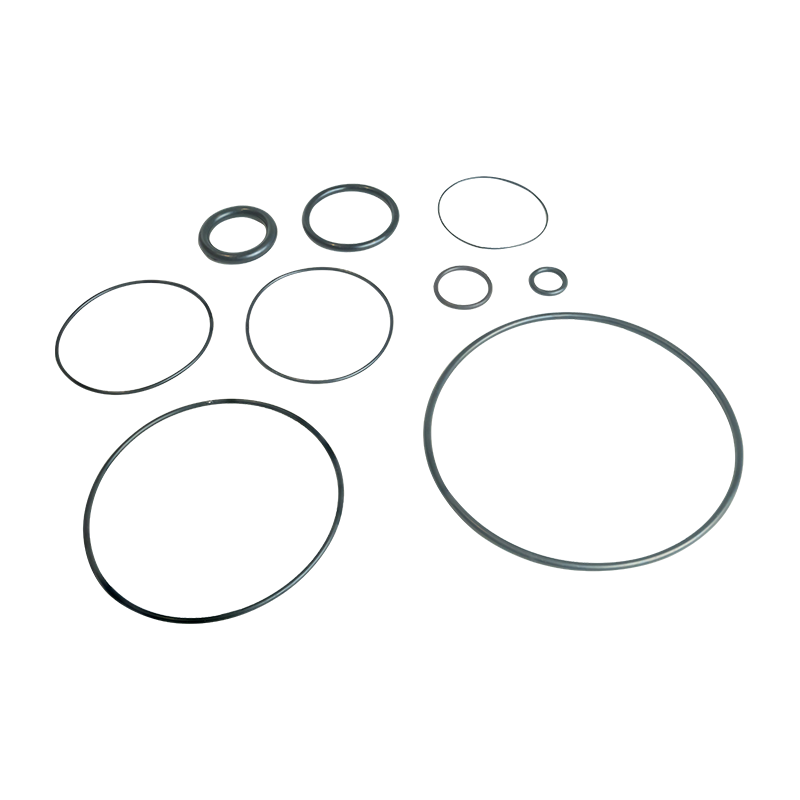
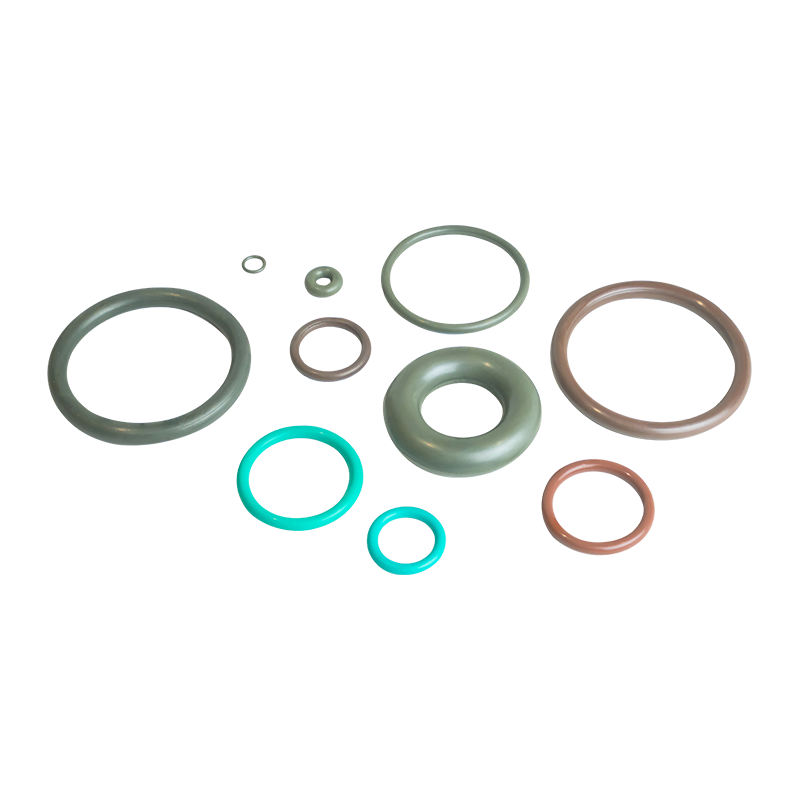
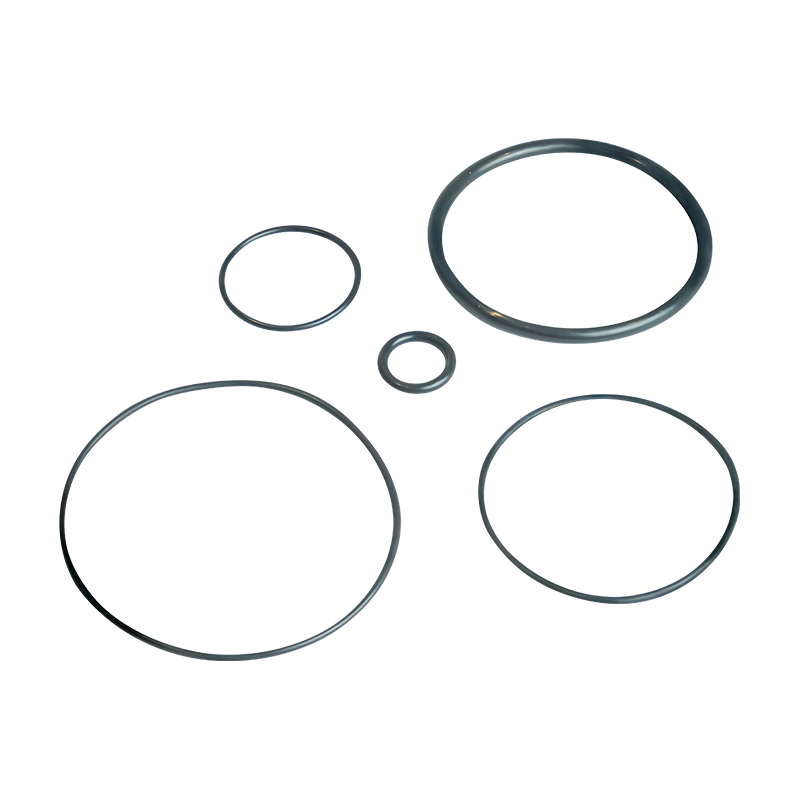
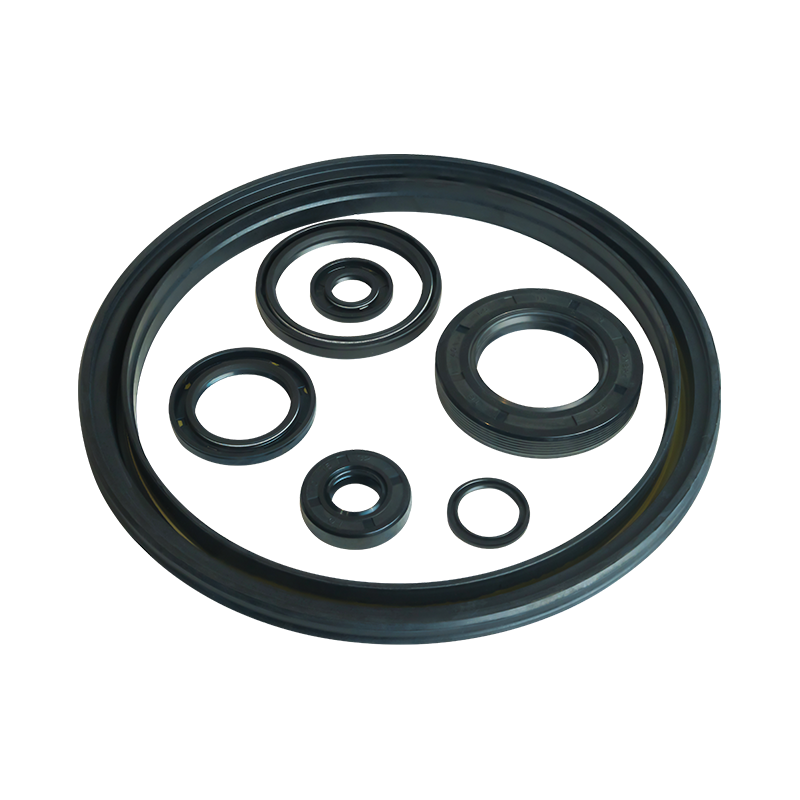
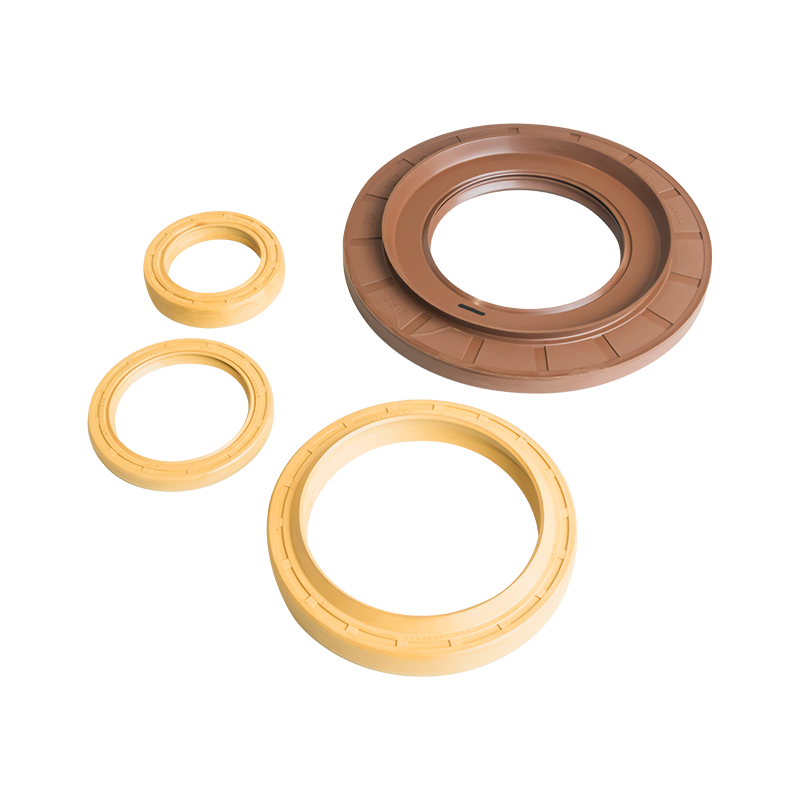
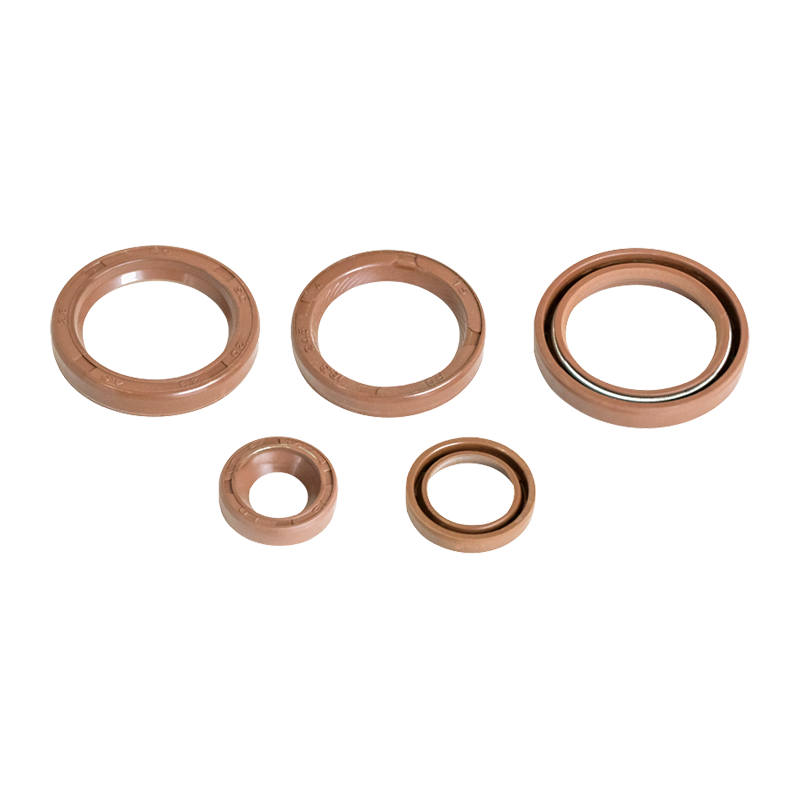
In modern automotive systems, nbr wear resistance auto parts oil seal play a crucial role in maintaining the integrity and efficiency of machinery. These seals are essential components that prevent oil leakage, protect bearings, and ensure the smooth operation of moving parts under demanding conditions. The design of these seals is carefully engineered to maximize sealing performance, durability, and adaptability across various automotive applications.
Material Selection and Its Role in Sealing Efficiency
NBR Rubber Properties
One of the foundational aspects of nbr wear resistance auto parts oil seal design is the selection of nitrile butadiene rubber (NBR) as the sealing material. NBR is widely recognized for its excellent resistance to oils, fuels, and lubricants, making it ideal for automotive applications. Its molecular structure provides a balance of elasticity and hardness, which is critical for maintaining a tight seal while accommodating shaft movement.
Key properties of NBR that influence sealing efficiency include:
- Oil resistance: NBR can withstand prolonged contact with automotive oils without degradation, ensuring the seal maintains performance over time.
- Temperature tolerance: NBR remains stable across a wide temperature range, preventing hardening or softening that could compromise the seal.
- Flexibility and elasticity: This allows the seal to conform to minor surface imperfections on the shaft or housing, reducing leakage risks.
The careful selection of NBR grades allows manufacturers to tailor seals for specific automotive operating conditions, enhancing both wear resistance and service life.
Reinforcement and Fillers
Many high-performance nbr wear resistance auto parts oil seal designs incorporate fillers or reinforcement materials. These additives improve abrasion resistance, compression set resistance, and chemical stability, which collectively contribute to a longer service life. The strategic use of these materials ensures that the seal maintains its shape and sealing properties even under high-pressure and high-speed conditions.
Structural Design of nbr wear resistance auto parts oil seal
Lip Design
The lip of the seal is the primary contact surface that prevents oil leakage. The geometry and profile of this lip are critical in optimizing sealing efficiency. Single-lip, double-lip, and garter spring configurations are common design variations, each offering distinct advantages:
- Single-lip seals provide a simple, reliable solution for moderate-pressure applications.
- Double-lip seals incorporate a secondary lip to enhance protection against contaminants such as dust and dirt, which can otherwise accelerate wear.
- Garter spring-assisted lips apply consistent radial pressure against the shaft, improving the seal’s adaptability to minor misalignments and surface irregularities.
Through careful lip design, nbr wear resistance auto parts oil seal maintain consistent contact with the shaft while minimizing friction and wear.
Seal Geometry
The overall geometry of nbr wear resistance auto parts oil seal is engineered to balance flexibility, rigidity, and sealing force. Factors such as the outer diameter, inner diameter, and cross-sectional thickness determine how the seal fits into its housing and interacts with the rotating shaft.
A well-optimized seal geometry ensures:
- Uniform distribution of contact pressure, reducing localized wear and potential leakage.
- Enhanced stability under vibration or axial movement, common in automotive environments.
- Compatibility with standard shafts and housings, simplifying installation and replacement.
Spring and Tension Mechanisms
Many nbr wear resistance auto parts oil seal include integrated tension elements such as garter springs. These springs maintain consistent radial force on the lip, compensating for wear or thermal expansion over time. This design feature ensures continuous contact with the shaft surface, preventing leakage and maintaining the overall efficiency of the sealing system.
Surface Interaction and Friction Management
Shaft Surface Considerations
The effectiveness of nbr wear resistance auto parts oil seal is highly dependent on the surface characteristics of the shaft it contacts. A shaft that is smooth, hard, and precisely machined reduces friction and wear, allowing the seal to maintain performance for longer periods. Conversely, rough or improperly finished shafts can accelerate lip degradation, leading to premature failure.
Lubrication Compatibility
Proper lubrication is another crucial factor. The interaction between NBR material and automotive oils must maintain low friction while preventing leakage. The design of the seal, including lip shape and material selection, ensures that a thin film of lubricant remains at the interface, reducing wear and extending service life.
Temperature and Chemical Resistance
Thermal Management
Automotive components often operate under fluctuating temperatures, ranging from cold starts to high operating heat. nbr wear resistance auto parts oil seal are designed to withstand these conditions without losing flexibility. Material formulation, lip thickness, and geometry are optimized to maintain consistent sealing force across temperature variations.
Chemical Stability
Exposure to fuels, oils, and cleaning agents can chemically degrade inferior seal materials. NBR’s inherent chemical resistance, combined with strategic design choices, ensures that the seal remains effective in diverse chemical environments. This reliability reduces maintenance costs and prevents unexpected oil leakage.
Performance Testing and Quality Assurance
Wear and Abrasion Testing
Before deployment, nbr wear resistance auto parts oil seal undergo rigorous testing to ensure they meet performance standards. Tests such as abrasion resistance, compression set, and leakage simulation evaluate how the seal performs under prolonged use. These results inform refinements in material selection and design geometry.
Industry Compliance
High-quality nbr wear resistance auto parts oil seal adhere to recognized automotive standards for durability and sealing efficiency. Compliance ensures that these seals can reliably operate in passenger vehicles, commercial trucks, and heavy machinery without failure.
Installation and Maintenance Considerations
Proper Installation Practices
Even the most well-designed nbr wear resistance auto parts oil seal can fail if not installed correctly. Proper installation involves:
- Ensuring the shaft and housing are clean and free of debris.
- Using the correct installation tools to avoid damaging the seal lip.
- Aligning the seal properly to prevent uneven contact and premature wear.
Attention to these details maximizes the operational lifespan of the seal.
Routine Inspection
Regular inspection is recommended to identify early signs of wear or leakage. Checking for deformation, cracks, or hardening of the NBR material can prevent costly downtime and mechanical failures.
Comparison with Other Seal Materials
While NBR is highly effective for automotive applications, understanding its relative strengths helps in selecting the appropriate seal:
| Material |
Advantages |
Limitations |
| NBR |
Excellent oil and wear resistance, good elasticity, cost-effective |
Moderate high-temperature tolerance |
| FKM (fluoroelastomer) |
High temperature and chemical resistance |
Higher cost, stiffer material |
| Silicone |
Wide temperature range, flexible |
Lower wear resistance, not ideal for high-pressure oil sealing |
The table highlights why nbr wear resistance auto parts oil seal remain the preferred choice in many automotive contexts, balancing performance, durability, and cost.


 English
 русский
 中文简体
中文简体