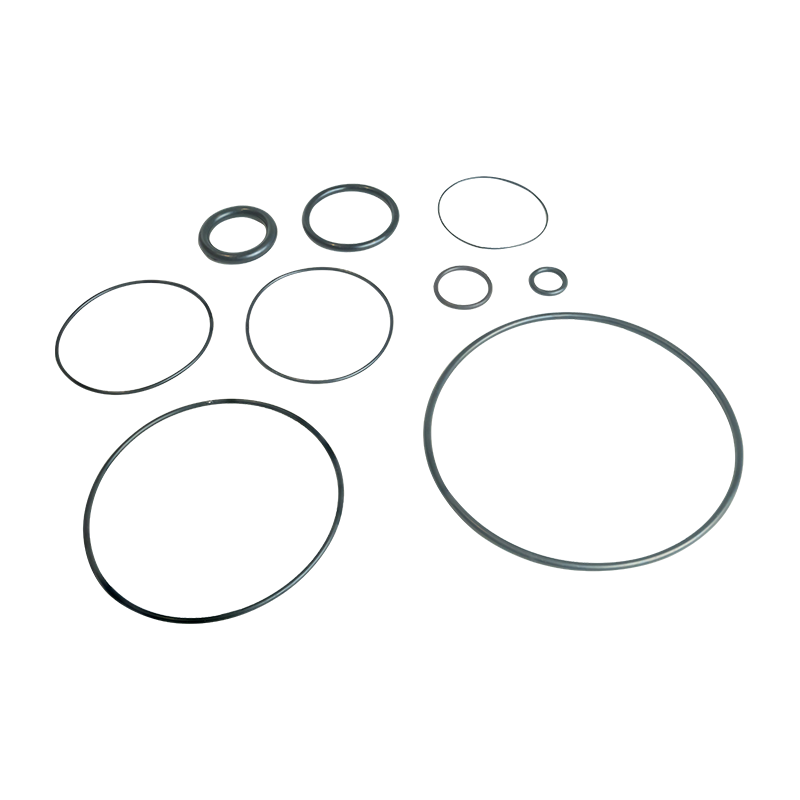
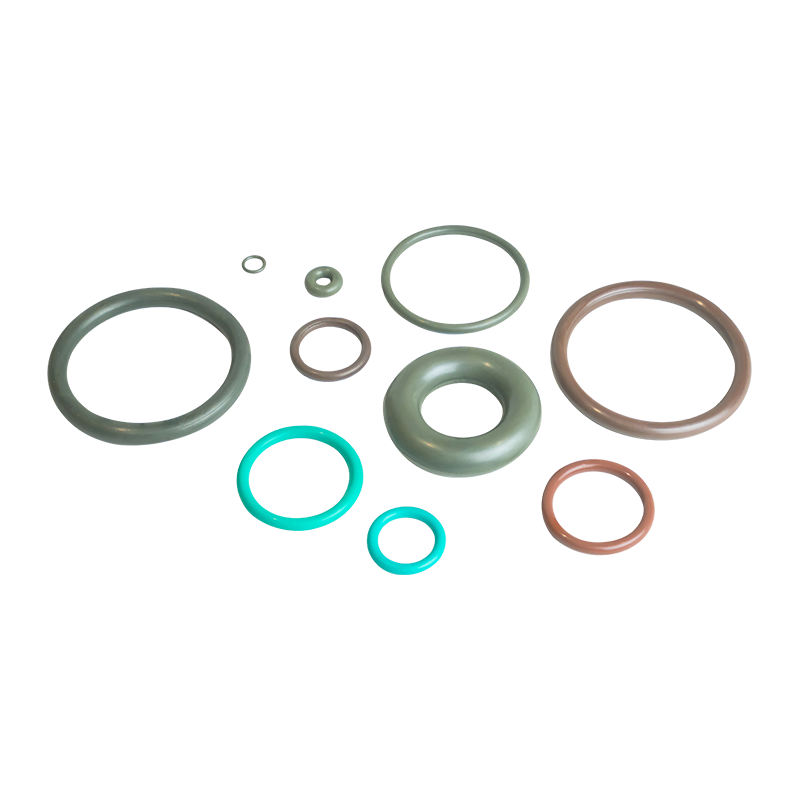
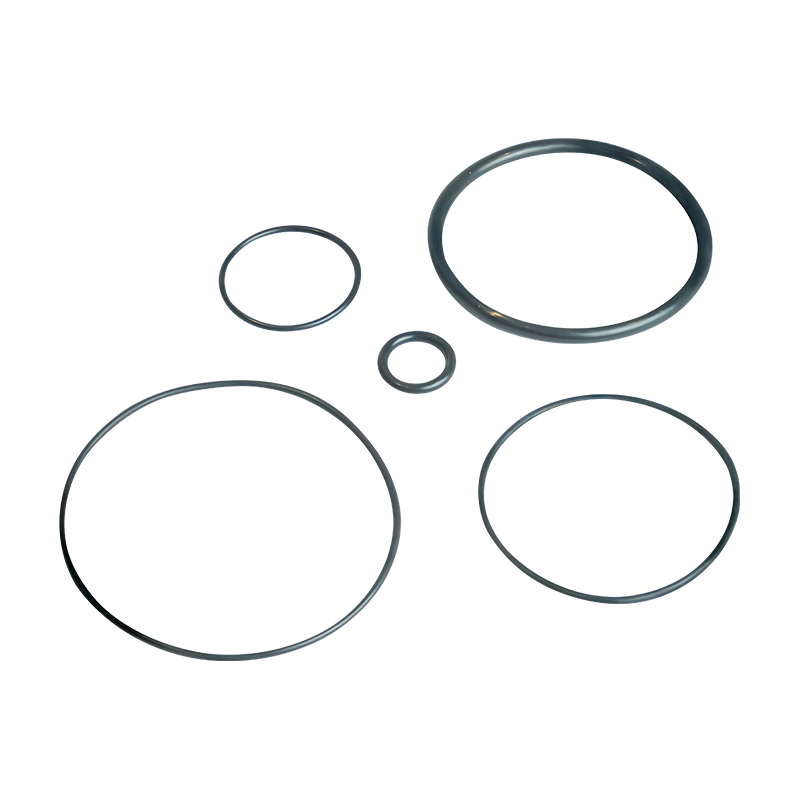
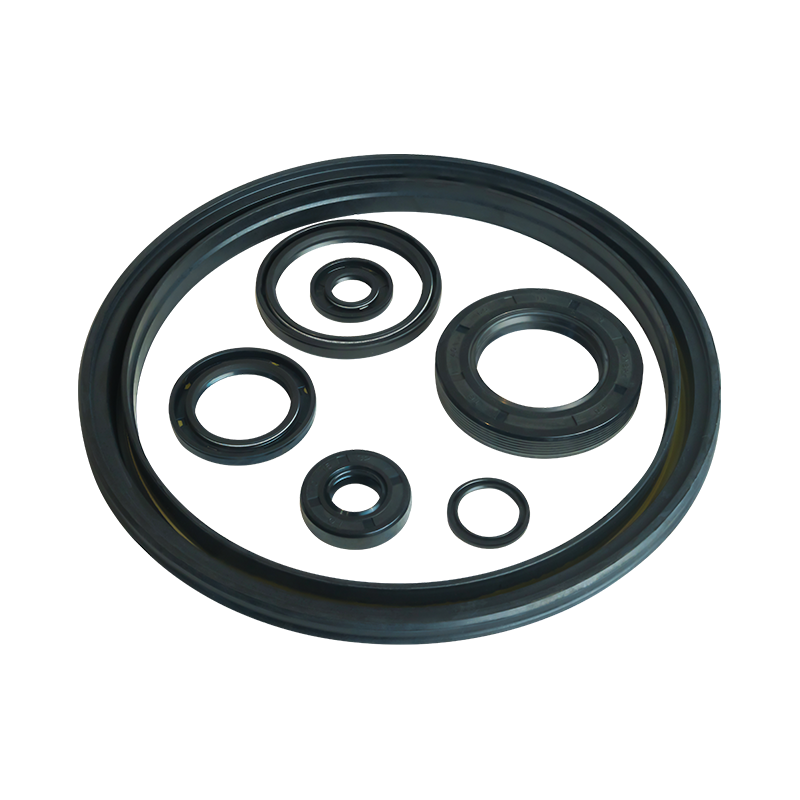
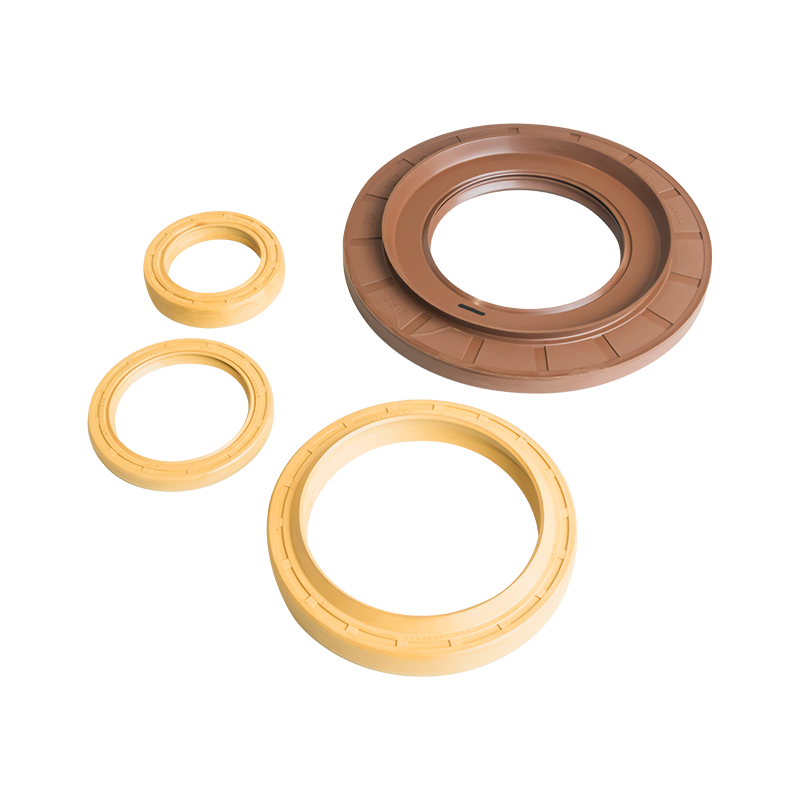
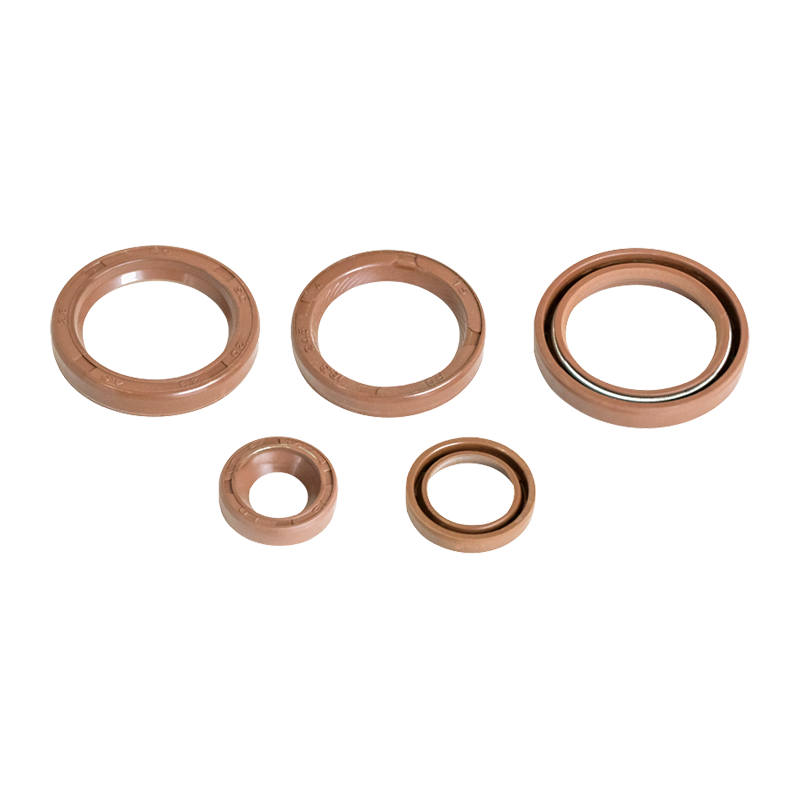
Fluorine Rubber FKM O-Ring Seal has become a critical component in sealing applications across diverse industries due to its exceptional chemical resistance, thermal stability, and mechanical reliability.
Chemical compatibility of fluorine rubber FKM O-Ring Seal
Fluorine Rubber FKM O-Ring Seal is synthesized from a class of fluoroelastomers that combine high resistance to aggressive chemicals with superior mechanical properties. Its compatibility with a wide range of fluids stems from the strong carbon-fluorine bonds, which confer resistance to oxidation, hydrolysis, and many corrosive agents. Chemical resistance is a primary factor when selecting an FKM O-Ring for a specific application, particularly in environments where exposure to hydrocarbons, acids, or bases is frequent.
Hydrocarbon-based fluids
One of the most common applications for fluorine rubber FKM O-Ring Seal is in systems using hydrocarbon-based fluids, including petroleum oils, synthetic lubricants, and diesel fuels. The material exhibits minimal swelling and maintains elasticity under prolonged contact with these fluids.
| Hydrocarbon fluid type |
Compatibility with fluorine rubber FKM O-Ring Seal |
Key considerations |
| Petroleum oils |
Excellent |
Temperature should remain below 200°C for optimal performance |
| Diesel fuel |
Very good |
Monitor exposure to biodiesel blends which may affect long-term stability |
| Synthetic lubricants |
Excellent |
Ensure viscosity and additive compatibility |
The resistance to hydrocarbon-based fluids makes FKM O-Ring Seal ideal for automotive fuel systems, hydraulic equipment, and industrial machinery, where long-term sealing reliability is critical.
Water-based and aqueous fluids
Fluorine Rubber FKM O-Ring Seal demonstrates moderate to good resistance to water and aqueous solutions, including coolants, glycol-based fluids, and dilute acids. While FKM materials resist water absorption, prolonged immersion or contact with highly alkaline solutions can gradually impact elasticity.
| Aqueous fluid type |
Compatibility with fluorine rubber FKM O-Ring Seal |
Application notes |
| Glycol-based coolants |
Good |
Monitor for pH fluctuations over time |
| Dilute acids |
Moderate |
Avoid prolonged contact with strong acids |
| Water |
Moderate |
Suitable for short-term or low-pressure applications |
For applications in cooling and water-circulation systems, it is recommended to evaluate fluid composition and temperature, as FKM may experience slight compression set under extended exposure to heated aqueous solutions.
Resistance to specialized industrial fluids
Fluorine Rubber FKM O-Ring Seal is widely used in chemical processing, pharmaceuticals, and food-grade applications due to its compatibility with various aggressive or specialized fluids.
Acids and alkalis
FKM O-Ring Seal resists many organic and inorganic acids, but certain strong mineral acids such as concentrated sulfuric or nitric acid may degrade the elastomer over time. Similarly, exposure to concentrated alkalis should be carefully evaluated. The selection of FKM grades optimized for chemical resistance is crucial in industrial chemical applications.
Refrigerants
In HVAC and refrigeration systems, fluorine rubber FKM O-Ring Seal offers excellent performance with HFCs, HCFCs, and certain HFO refrigerants. The material maintains sealing integrity under high-pressure cycles, providing reliable performance for compressors and valves.
Solvents
Fluorine Rubber FKM O-Ring Seal resists many organic solvents including ketones, esters, and alcohols. Solvent compatibility should be confirmed, especially for systems with prolonged exposure, as certain polar solvents may induce swelling or softening.
Thermal considerations in fluid compatibility
Temperature has a direct impact on fluorine rubber FKM O-Ring Seal performance. While the material is rated for high temperatures, fluid compatibility may change with thermal conditions. For example, some lubricants and fuels may degrade or polymerize at elevated temperatures, affecting their interaction with FKM O-Rings. Conversely, low-temperature exposure can reduce flexibility and increase the risk of cracking during installation or operation.
Temperature guidelines for common fluids with FKM O-Rings:
| Fluid category |
Operating temperature range |
Notes |
| Hydrocarbons |
-20°C to 200°C |
Ensure additives do not affect elastomer |
| Refrigerants |
-40°C to 150°C |
Avoid temperatures beyond material limits |
| Glycol-based fluids |
-30°C to 150°C |
Monitor pH and concentration |
Adherence to these temperature ranges ensures optimal sealing performance and minimizes premature failure of fluorine rubber FKM O-Ring Seal.
Factors influencing fluid compatibility
When selecting fluorine rubber FKM O-Ring Seal for a specific fluid, several factors should be assessed:
- Fluid chemical composition – The presence of additives, detergents, or stabilizers can alter compatibility.
- Pressure conditions – High-pressure applications may accelerate extrusion or deformation in incompatible fluids.
- Exposure duration – Continuous immersion or long-term contact can gradually impact FKM elasticity.
- Temperature – Both low and high extremes influence sealing performance and chemical interaction.
- Cross-contamination – Interaction with multiple fluid types may introduce chemical reactions that affect O-Ring life.
Industry applications and case examples
Fluorine Rubber FKM O-Ring Seal is utilized across industries that demand chemical resistance, thermal stability, and mechanical reliability. Key applications include:
- Automotive systems: Fuel injection, hydraulic brakes, transmission assemblies.
- Industrial machinery: Gearboxes, pumps, and compressors using hydrocarbon-based lubricants.
- Chemical processing: Sealing of reactors and pipelines carrying aggressive fluids.
- Refrigeration and HVAC: Compressors, valves, and fittings in contact with HFC or HCFC refrigerants.
- Aerospace and aviation: Hydraulic and fuel systems requiring long-term reliability under harsh environmental conditions.
In each of these applications, evaluating fluid compatibility is essential to avoid leaks, maintain system efficiency, and extend maintenance intervals.
Best practices for maintaining fluid compatibility
To ensure the reliable performance of fluorine rubber FKM O-Ring Seal in fluid systems, the following best practices are recommended:
- Select the correct FKM grade based on fluid type and operating conditions.
- Maintain fluid purity and monitor for chemical degradation.
- Conduct periodic inspections to detect swelling, cracking, or hardening.
- Avoid cross-use of fluids with incompatible chemical profiles.
- Store O-Rings under controlled environmental conditions, away from heat, light, and ozone.
Summary
Fluorine Rubber FKM O-Ring Seal exhibits broad fluid compatibility, excelling in hydrocarbon-based, specialized industrial, and refrigerant fluids. Understanding the interaction between fluids and FKM O-Rings is crucial to prevent failure and ensure reliable sealing in demanding applications. Temperature, pressure, exposure duration, and fluid composition are all essential factors in selecting the appropriate O-Ring for each use case. Proper evaluation and adherence to best practices will maximize operational reliability and extend the service life of fluorine rubber FKM O-Ring Seal.
FAQ
Q1: Can fluorine rubber FKM O-Ring Seal be used with biodiesel fuels?
A1: Yes, FKM O-Rings generally resist biodiesel blends, but long-term exposure should be monitored as ester content may affect elasticity.
Q2: Is fluorine rubber FKM O-Ring Seal suitable for use with concentrated acids?
A2: FKM O-Rings resist many acids, but concentrated strong mineral acids may degrade the material. Compatibility testing is recommended.
Q3: Can fluorine rubber FKM O-Ring Seal be used in water-cooling systems?
A3: Yes, for short-term or moderate-temperature applications. Long-term exposure to heated or alkaline solutions should be evaluated.
Q4: How does temperature affect fluid compatibility with FKM O-Rings?
A4: High temperatures can accelerate fluid degradation and elastomer softening, while low temperatures may reduce flexibility, impacting sealing performance.
Q5: What maintenance practices help maintain fluid compatibility?
A5: Use the correct FKM grade, monitor fluid composition, avoid cross-contamination, inspect regularly, and store under controlled conditions.
References
- Kinloch, A. J., & Sprenger, S. (2019). Elastomers and Their Applications in Sealing Systems. Elsevier.
- Smith, R. (2021). Chemical Resistance of Fluoroelastomers. Journal of Polymer Science, 58(4), 1123-1145.
- Jones, T., & Williams, P. (2020). High-Performance O-Rings for Industrial Applications. Industrial Sealing Review, 35(2), 45-62.


 English
 русский
 中文简体
中文简体